
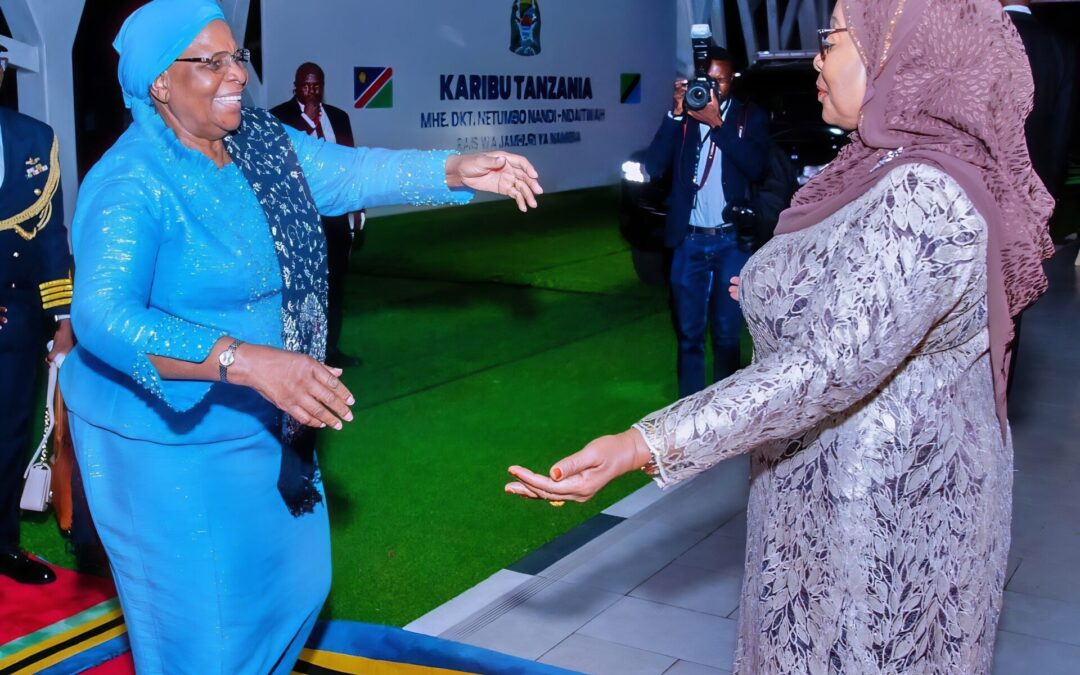
Strengthening Tanzania and Namibia Relations: A Blueprint for Economic Growth and Prosperity
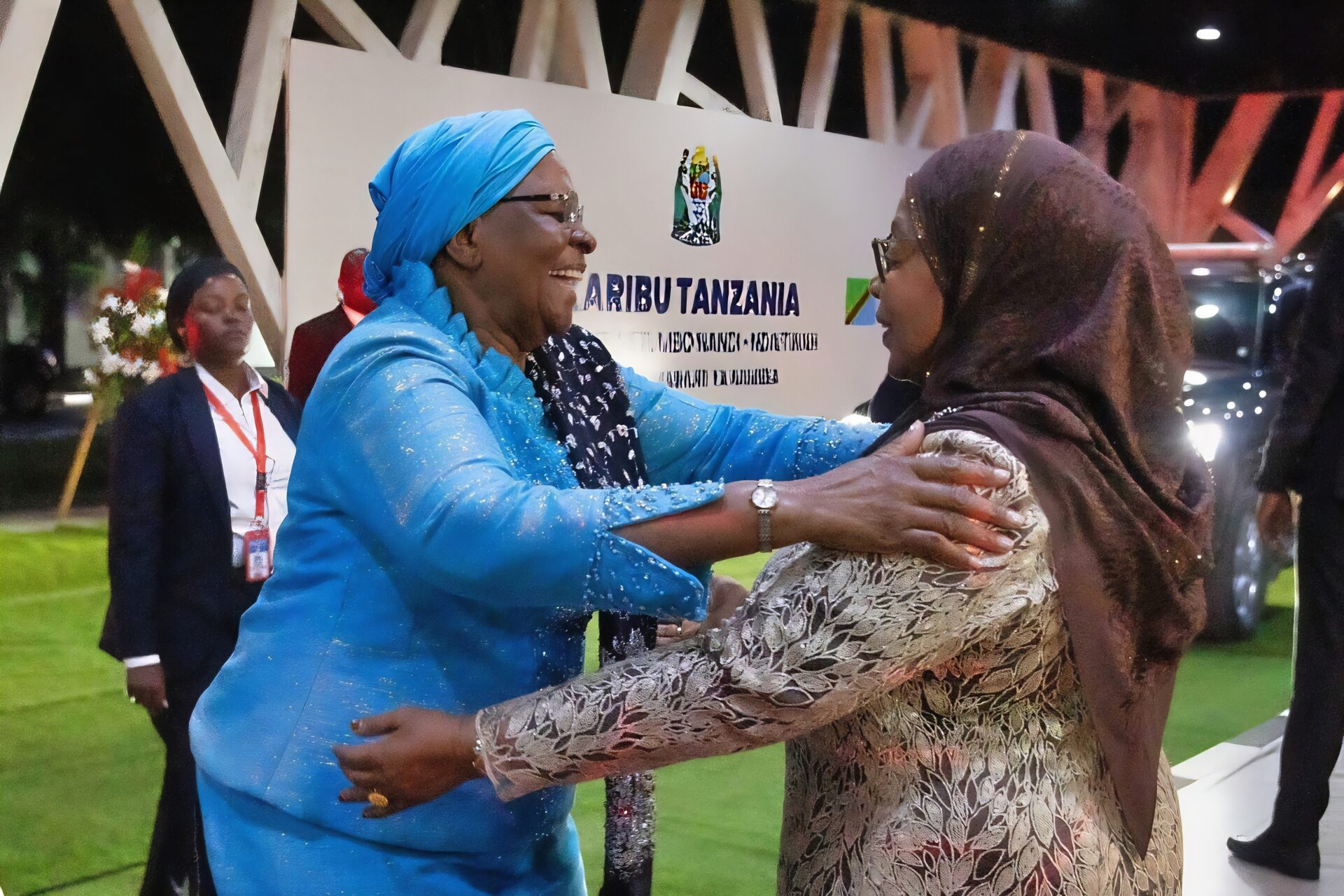
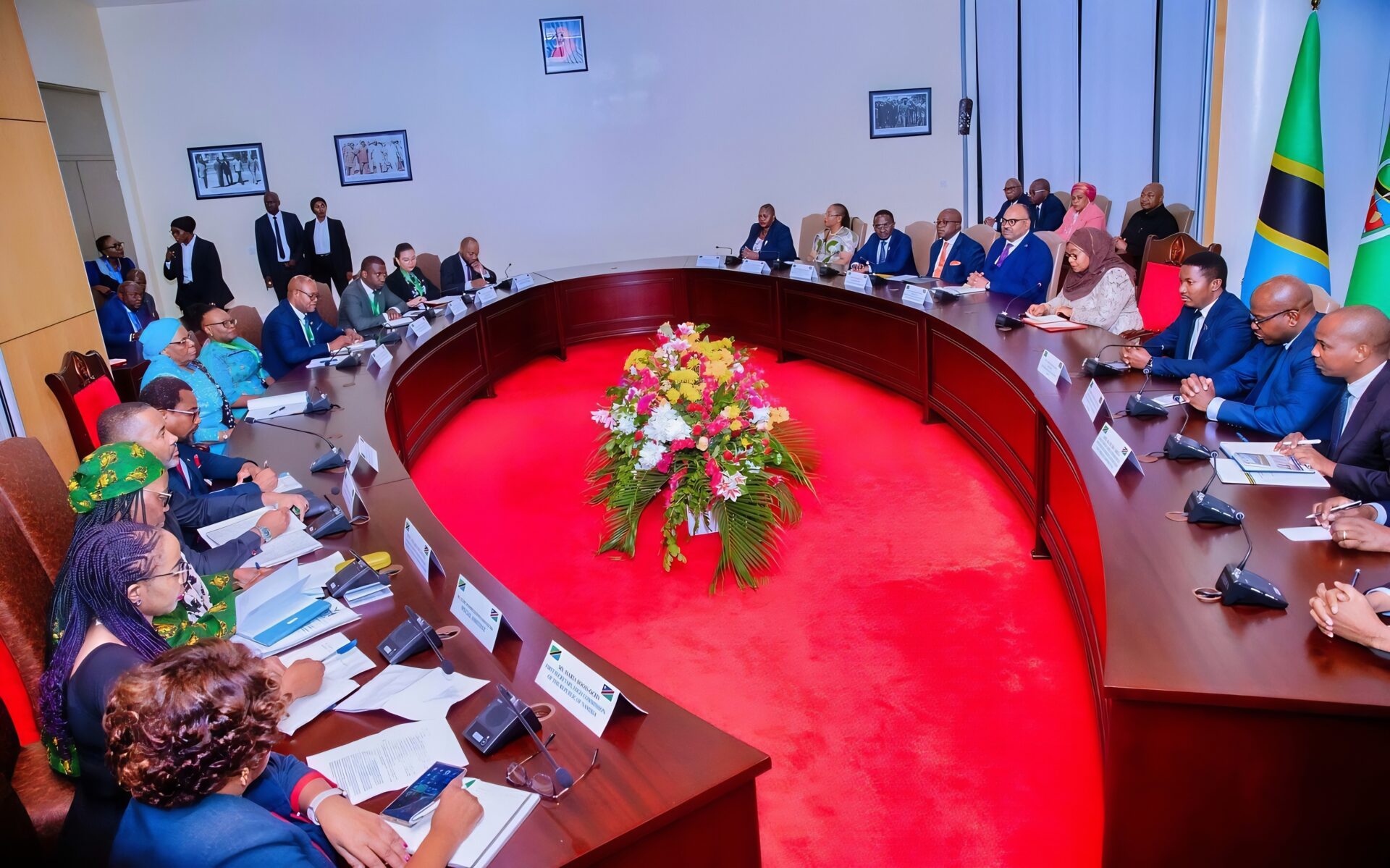
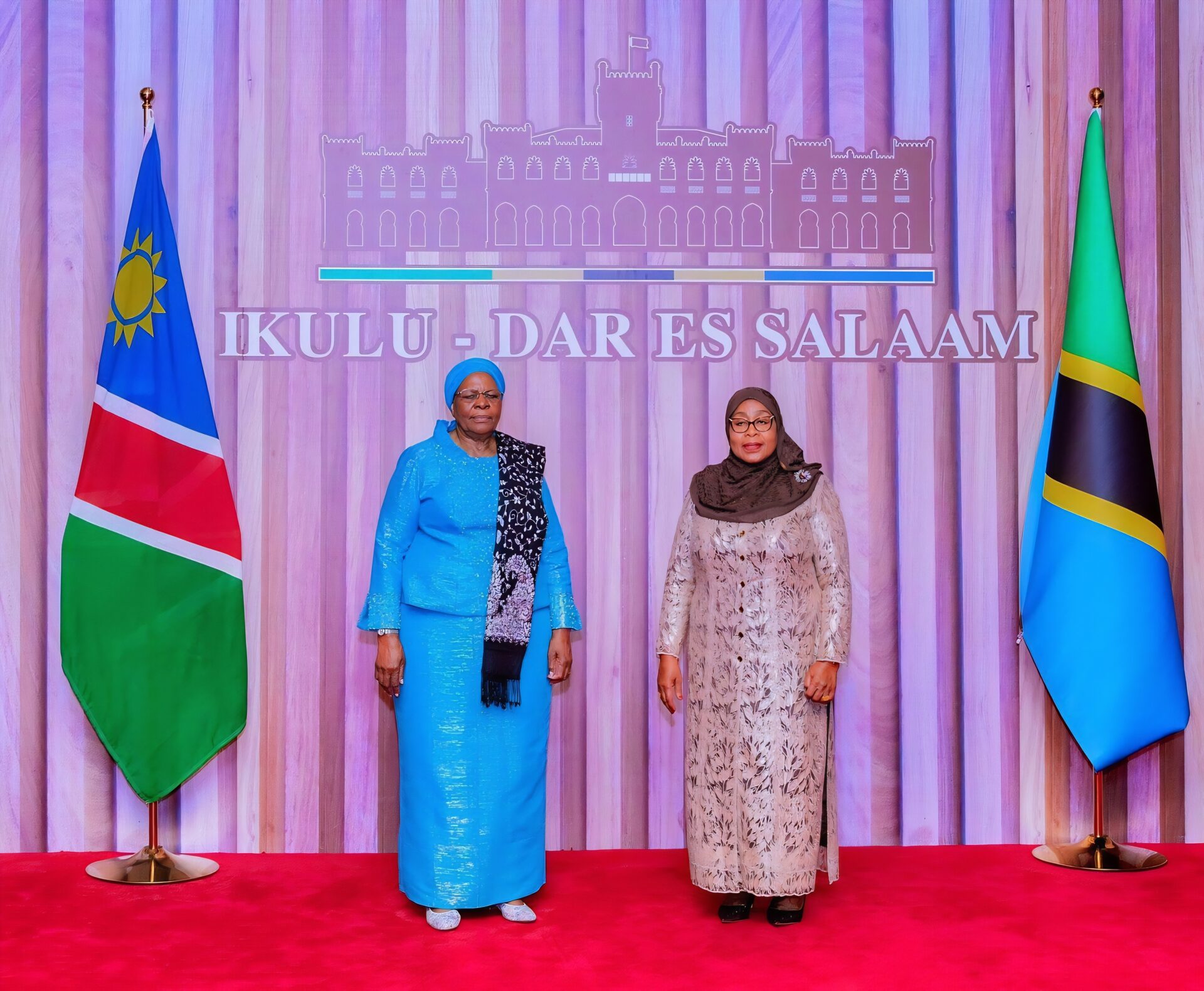
In the heart of Southern and East Africa, Tanzania and Namibia are forging a new path toward economic resilience and shared prosperity, deeply rooted in their historical ties. This partnership, strengthened by the high-level discussions between Her Excellency Dr. Samia Suluhu Hassan, President of Tanzania, and Her Excellency Dr. Netumbo Nandi-Ndaitwah, President of Namibia, is not just a diplomatic formality but a substantial commitment to expanding trade, investment, and cultural exchange. With trade figures between the two nations rising from 17 billion to 20 billion Tanzanian shillings between 2019 and 2023, the momentum is palpable. Both countries are now leveraging their liberation legacy, encapsulated in the Swahili proverb “Mti haukwi kwa ukope mmoja” (“A tree cannot be felled with one stroke of the axe”), to build a robust economic future. The private sector, educational institutions, and energy innovators are all being called upon to play pivotal roles in this era of cooperation, ensuring that the bonds of solidarity translate into tangible growth and prosperity across the region. This article delves into the multifaceted collaboration between Tanzania and Namibia, exploring how their shared history and values lay the groundwork for a transformative economic partnership.
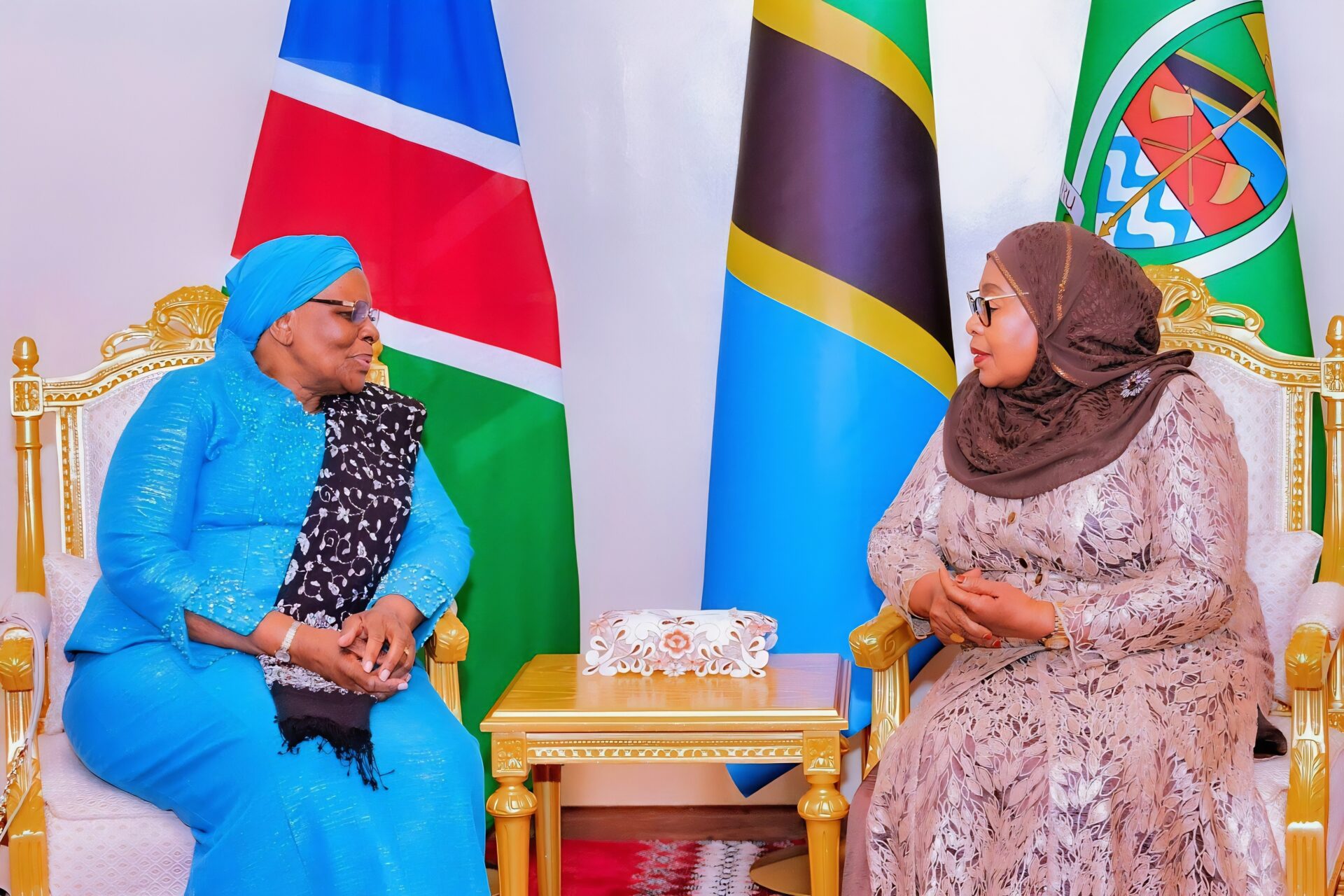
The recent high-level discussions between Her Excellency Dr. Samia Suluhu Hassan, President of Tanzania, and Her Excellency Dr. Netumbo Nandi-Ndaitwah, President of Namibia, have reaffirmed a commitment to deepening ties—not just in rhetoric, but through concrete economic collaborations. From expanding trade in livestock and fisheries to harnessing the potential of the blue economy, the two nations are unlocking opportunities that promise to transform livelihoods across the region.
With trade between Tanzania and Namibia rising from 17 billion to 20 billion Tanzanian shillings (2019–2023), the momentum is clear. Yet, as both leaders emphasise, this is only the beginning. The private sector, educational institutions, and energy innovators are all being called upon to play a pivotal role in this new era of cooperation.
“A Tree Does Not Grow Without Roots”: How Tanzania and Namibia’s Liberation Legacy Fuels Modern Economic Ties
The Kiswahili proverb “Mti haukwi kwa ukope mmoja” (“A tree cannot be felled with one stroke of the axe”) speaks to resilience—a quality deeply embedded in the relationship between Tanzania and Namibia. Just as a tree draws strength from its roots, the bond between these two nations is anchored in a shared history of resistance, solidarity, and triumph over colonialism.
The Liberation Era: A Brotherhood Forged in Struggle
During the darkest days of apartheid and colonial oppression, Tanzania stood as a beacon of hope for Namibia’s freedom fighters. Under the leadership of Mwalimu Julius Nyerere, Tanzania provided military training, political asylum, and diplomatic support to the South West Africa People’s Organisation (SWAPO), led by Sam Nujoma. The Kongwa Camp in central Tanzania became a crucial training ground for Namibian guerrillas, while Dar es Salaam served as a hub for anti-colonial activism.
This was not mere political pragmatism—it was ujamaa (familyhood) in action. Nyerere famously declared: “We cannot be free until all of Africa is free.” His words were not just rhetoric; they were a call to action that saw Tanzania sacrifice resources and security for the sake of Namibia’s independence.

From Political Liberation to Economic Partnership
Today, as both nations celebrate decades of sovereignty, the question is: *How does this historical kinship translate into 21st-century economic progress?*
Trust as a Competitive Advantage
Unlike nations starting diplomatic relations from scratch, Tanzania and Namibia operate from a foundation of unshakeable trust. This reduces transactional friction in business deals, as investors and policymakers know they are engaging with long-standing allies.Shared Values, Shared Development Models
Both countries prioritise self-reliance and inclusive growth, drawing from Nyerere’s ujamaa philosophy and Namibia’s Harambee Prosperity Plan. This alignment makes collaboration in agriculture, education, and industrialisation more seamless.People-to-People Connections
Many of Namibia’s first post-independence leaders were educated in Tanzania, creating a natural network of professionals who understand both economies. This diaspora effect fosters smoother business and cultural exchanges.
Turning History into Economic Opportunity
The past is not just a memory—it is a strategic asset. Here’s how both nations are leveraging it:
Joint Infrastructure Projects: Namibia’s Walvis Bay Port and Tanzania’s Dar es Salaam Port could form a trans-African trade corridor, cutting costs for landlocked neighbours like Zambia and Zimbabwe.
Defence & Security Collaboration: Building on their liberation-era military ties, the two nations now cooperate on maritime security and anti-poaching efforts, protecting vital economic sectors like tourism and fisheries.
Cultural Diplomacy: The promotion of Swahili in Namibia (through universities like Triumphant College) is more than linguistic—it’s a soft power tool that deepens business and social integration.
A Lesson for Africa
As the African Continental Free Trade Area (AfCFTA) gains momentum, Tanzania and Namibia’s relationship offers a blueprint: true integration begins with shared history, not just trade policies. Their story proves that liberation solidarity can evolve into economic prosperity—if consciously nurtured.

The late Sam Nujoma once said: “A nation that forgets its past has no future.” Tanzania and Namibia are living this truth. By honouring their roots while reaching for new horizons, they demonstrate that the struggles of yesterday can be the economic engine of tomorrow.
Will other African nations follow their example?
“Don’t Put All Your Eggs in One Basket”: Diversifying Tanzania-Namibia Trade for Sustainable Growth
The age-old African proverb “Haba na haba hujaza kibaba” (“Little by little fills the pot”) captures perfectly the current trade relationship between Tanzania and Namibia. While bilateral trade has grown steadily—reaching 20 billion Tanzanian shillings (approximately £6.5 million) by 2023—both nations understand that true economic resilience comes from diversification, not just volume.
The Current Trade Landscape: Progress, But Not Enough
At first glance, the trade figures between Tanzania and Namibia appear promising:
Trade surged from 17 billion TZS in 2019 to 20 billion TZS in 2023
Key exports include Tanzanian agricultural goods (tea, coffee, cashews) and Namibian beef, seafood, and minerals
However, this trade remains narrowly concentrated in a few commodities, leaving both economies vulnerable to price shocks and global market fluctuations.

Why Diversification Matters
Reducing Vulnerability
Relying on a handful of exports is risky—just as a farmer who plants only maize risks ruin if drought strikes.
Namibia learned this lesson when EU beef export restrictions temporarily hurt its meat industry.
Tanzania, meanwhile, faces competition in the cashew and coffee markets from Vietnam and Brazil.
Unlocking New Industries
Manufactured goods (textiles, machinery, pharmaceuticals) account for less than 15% of current trade.
Services trade (tourism, logistics, fintech) remains underdeveloped despite massive potential.
Strengthening Regional Value Chains
Tanzania’s ports (Dar es Salaam, Mtwara) could serve as gateways for Namibian goods entering East Africa.
Namibia’s Walvis Bay could help Tanzanian exports reach Southern African markets faster.
Where Untapped Opportunities Lie
Sector Tanzania’s Strengths Namibia’s Strengths Collaboration Potential Agro-processing Cashews, coffee, spices Beef, grapes, dairy Joint ventures in packaged foods for EU/Asian markets Renewable Energy Solar, hydropower potential Green hydrogen projects Technology & skills exchange Fisheries Lake Victoria & Indian Ocean Atlantic Ocean fishing hubs Value-added processing (canned tuna, fishmeal) Mining Gold, Tanzanite, rare earths Uranium, diamonds Mineral beneficiation partnerships Digital Economy Mobile money dominance (M-Pesa) Growing tech startups Cross-border fintech solutions Breaking the Barriers
To unlock this potential, both nations must address:
Trade logistics: Simplify customs procedures at ports.
Financing: Expand trade credit facilities for SMEs.
Awareness: Host Tanzania-Namibia Business Forums to connect entrepreneurs.
A Call to Action
As the Swahili saying goes: “Pamoja twaweza” (“Together, we can”). Tanzania and Namibia have already laid a strong trade foundation—now it’s time to build more rooms in the house. By moving beyond raw commodities and embracing innovation, these brotherly nations can write a new chapter where trade doesn’t just grow, but transforms lives.

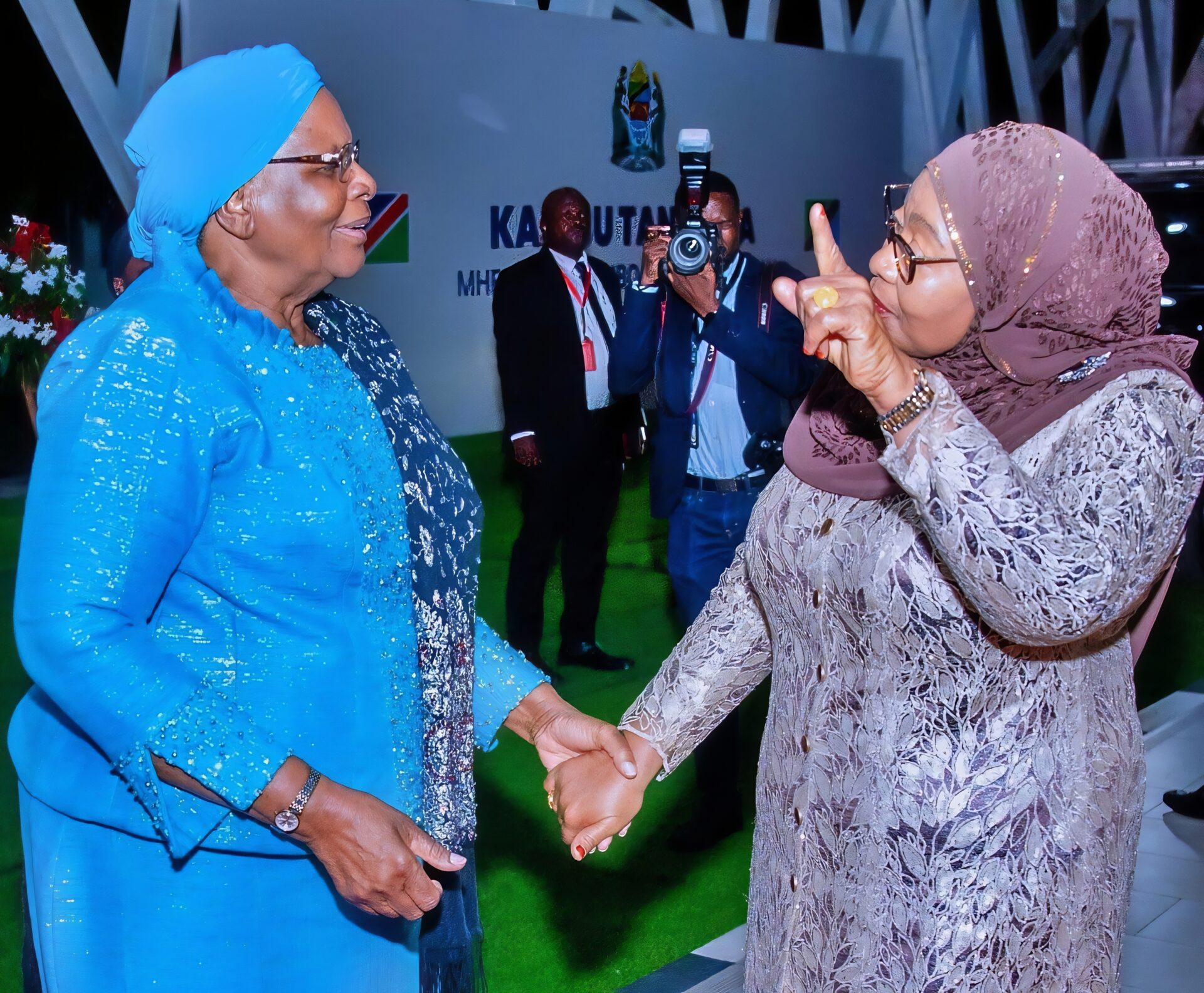
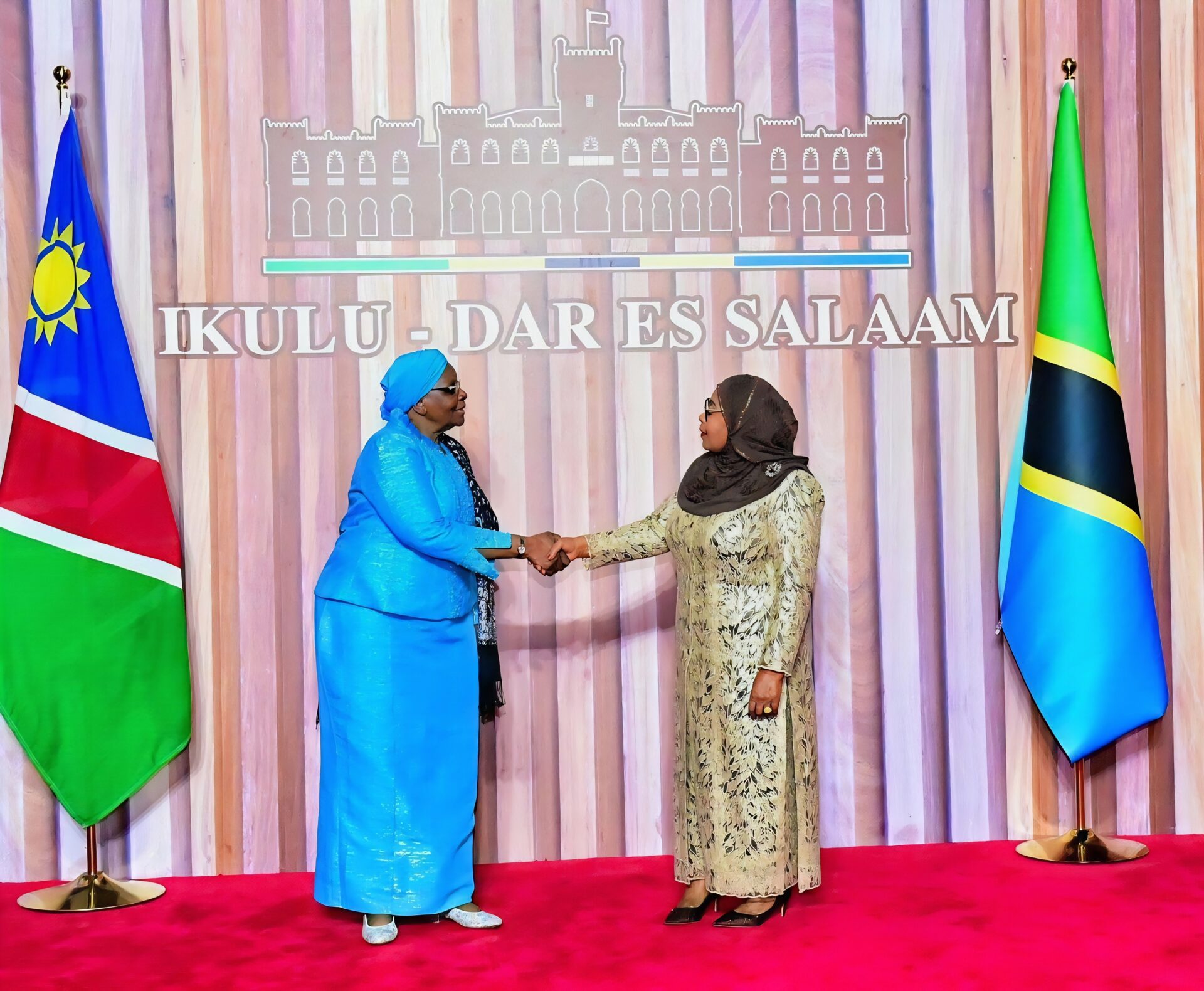
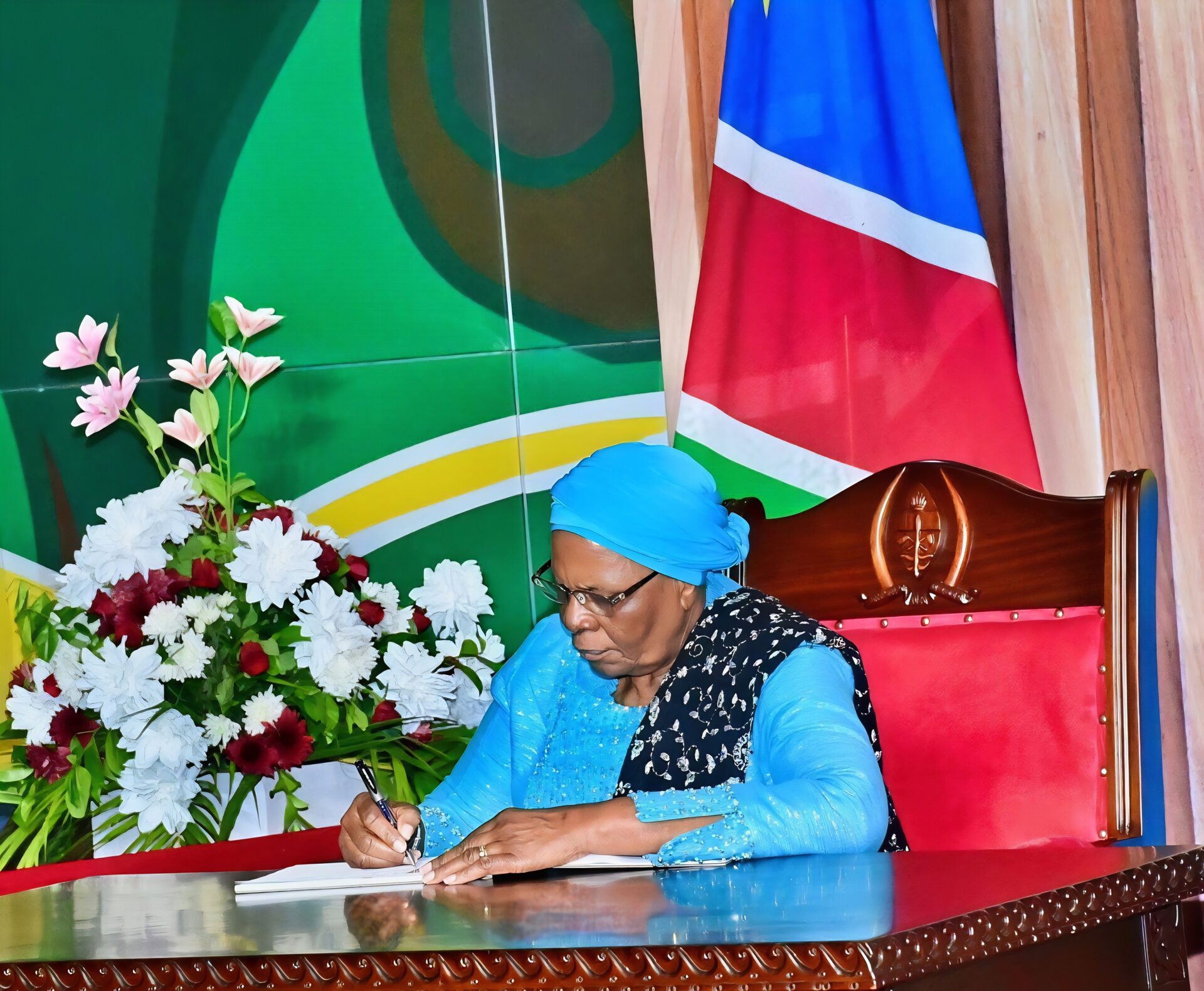
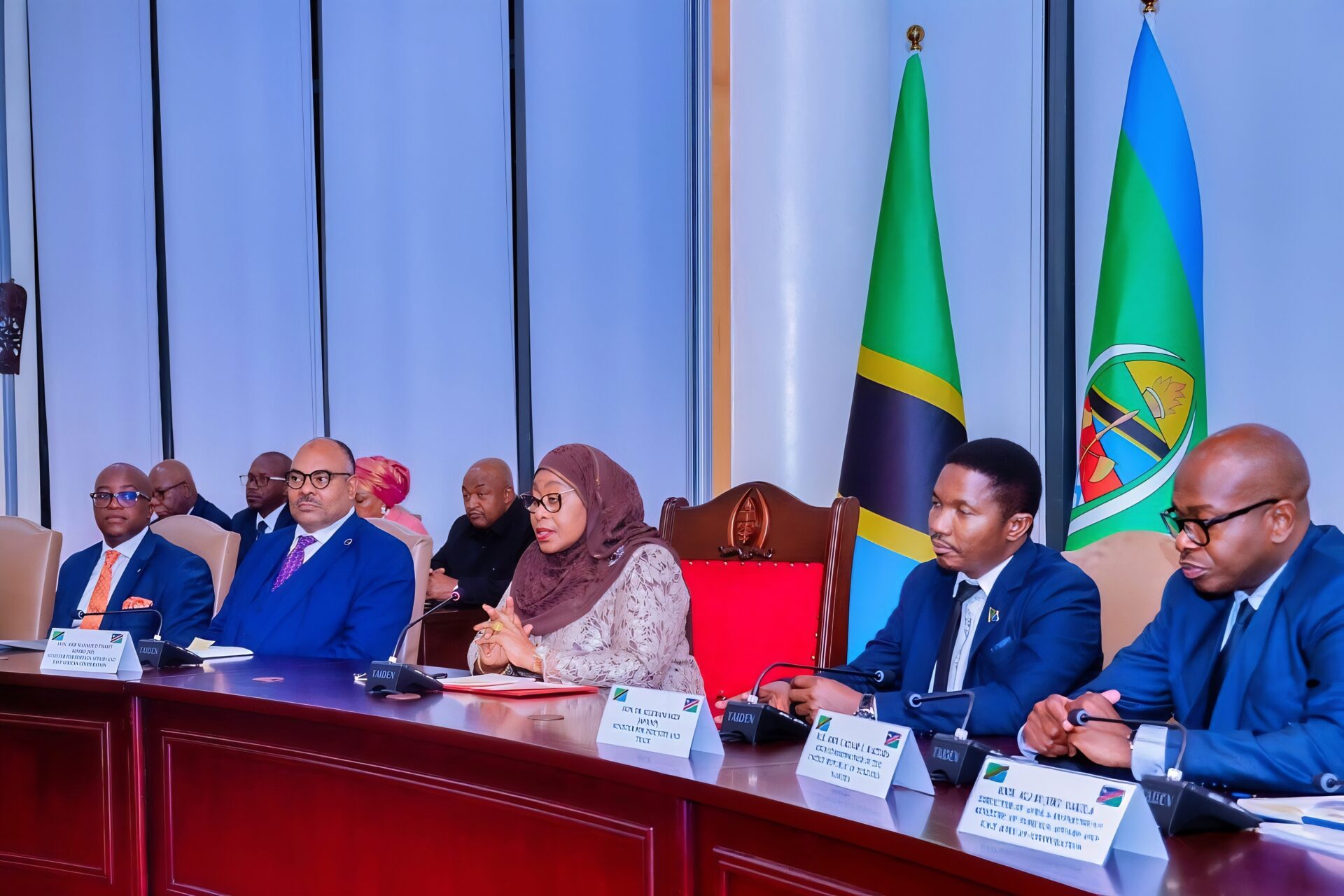
The question is: Which sector will lead this diversification charge—and who will be the first bold investors to seize the opportunity?
“Two Hands Wash Each Other”: The Vital Role of Private Sector Collaboration in Tanzania-Namibia Economic Growth
The Swahili proverb “Mikono miwili husafisha” (“Two hands wash each other”) encapsulates perfectly the opportunity before Tanzanian and Namibian businesses. While government partnerships lay the foundation, true economic transformation will come when private enterprises from both nations join hands in meaningful cross-border investments.
The Current Landscape: Room for Growth
Despite strong political ties, private sector engagement remains modest:
Only 23 Namibian companies are currently registered in Tanzania
Tanzanian investments in Namibia are concentrated in just three sectors (tourism, logistics and small-scale trading)
Bureaucratic hurdles and lack of market intelligence deter potential investors
Yet the potential rewards are substantial for bold businesses willing to bridge this gap.
Prime Sectors for Cross-Border Collaboration
1. Agro-Processing: From Farm to Fork
Opportunity:Tanzania’s cashew nuts (3rd largest producer globally) could be processed in Namibia’s upgraded facilities
Namibia’s premium beef could gain halal certification in Tanzania for Middle East markets
Successful Model:
The Namibian Dairy Board recently partnered with Tanzanian firm ASAS Dairies to develop UHT milk processing — a template for other agri-businesses.2. Manufacturing: Building Regional Value Chains
Untapped Potential:Tanzanian cotton → Namibian textile factories
Namibian copper wiring → Tanzanian appliance assembly plants
Case Study:
A joint venture between Dar es Salaam’s Suma JKT and Windhoek’s Metal Africa now produces roofing materials for both markets.3. Mining: Beyond Raw Material Exports
Strategic Shift Needed:Tanzania’s tanzanite could be cut and polished in Namibia’s diamond hubs
Namibia’s uranium could fuel Tanzania’s planned nuclear energy programme
Emerging Partnership:
The Tanzania Chamber of Minerals and Namibia Miners Association recently signed a knowledge-sharing pact.
Breaking Down Barriers: What Businesses Need
Challenge Solution Progress So Far Complex regulations Joint business council simplifying processes Draft agreement under review Limited financing Cross-border trade guarantee schemes NMB Bank & Bank Windhoek in talks Infrastructure gaps Prioritizing Dar-Walvis Bay corridor Feasibility study commissioned A Call to Action for Business Leaders
The Oshiwambo proverb “Omuhendu nandjengele oshoka inandi tsu” (“The river didn’t become wide in one day”) reminds us that lasting business relationships develop gradually. Now is the time for:
Pioneering firms to establish beachheads in each other’s markets
Industry associations to organize regular trade missions
Financial institutions to develop tailored products for cross-border ventures
The foundation is laid. The political will exists. The question is — which Tanzanian and Namibian business leaders will step forward to turn this potential into prosperity?

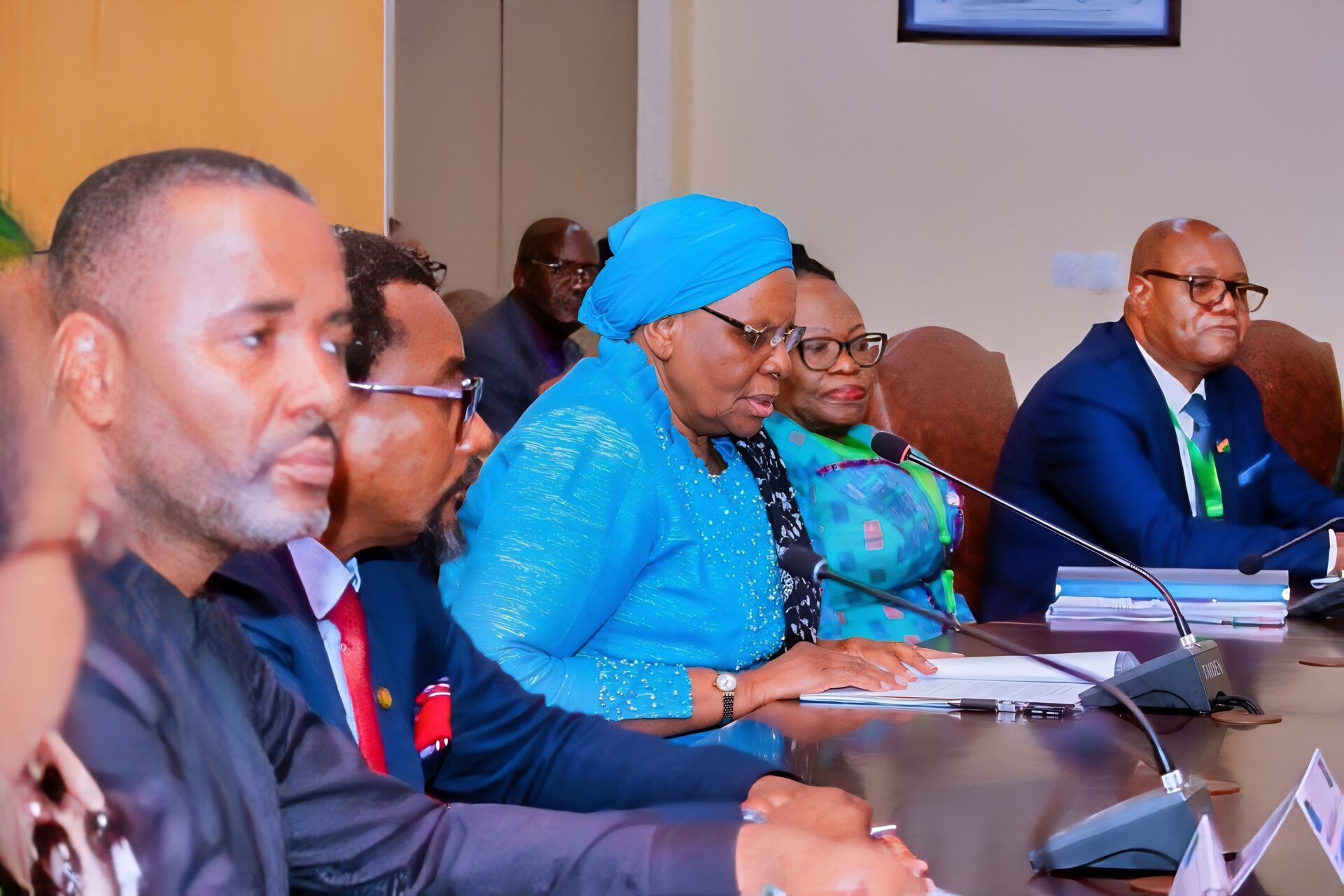
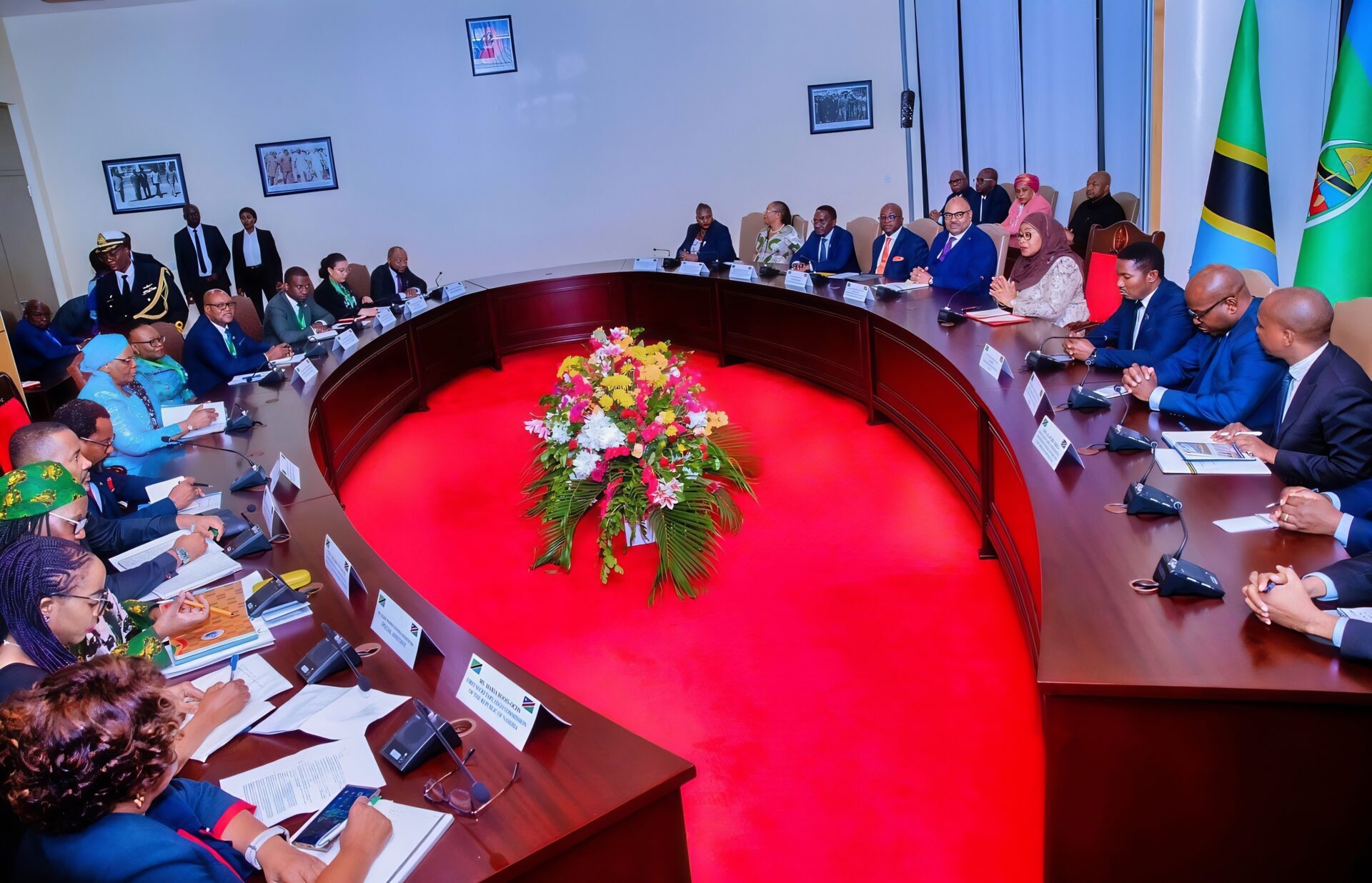
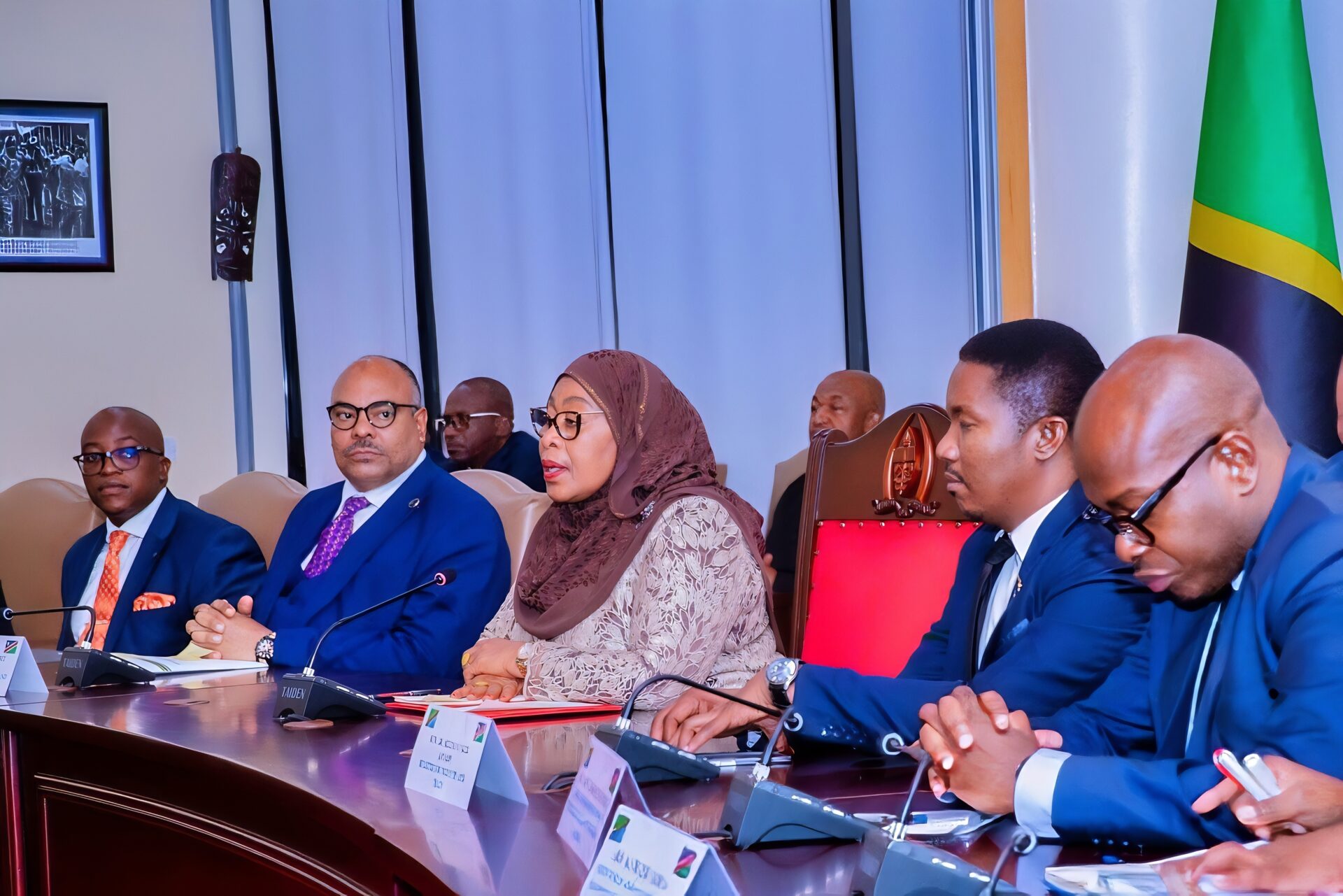
As both nations work to diversify their economies beyond traditional commodities, those private sector players who move first will not only profit their companies, but will write themselves into the next chapter of the Tanzania-Namibia brotherhood. The hands of opportunity are extended – will the business community clasp them firmly?
“The Tide Rises When Two Rivers Meet”: Unlocking Prosperity Through Tanzania-Namibia Livestock and Fisheries Collaboration
The Swahili saying “Maji yakimwagika hayazoleki” (“Spilled water cannot be gathered back”) reminds us of the urgency to harness opportunities while they exist. Now is the time for Tanzania and Namibia to combine their strengths in livestock and fisheries — two sectors where their complementary assets could create an African food processing powerhouse.
The Untapped Potential in Numbers:
Tanzania boasts 1.7 million tonnes of annual fish catches (3rd in Africa)
Namibia produces 100,000 tonnes of premium beef annually (85% exported)
Yet less than 15% of these resources undergo value addition before export
Strategic Complementarities:
From Meat to Market: A Beef Value Chain Revolution
Namibia’s world-class meat processing facilities (EU-approved)
Tanzania’s vast livestock herds (33 million cattle)
Opportunity: Joint ventures for halal-certified processing in Tanzania using Namibian technology
From Ocean to Table: The Blue Economy Bonanza
Tanzania’s Indian Ocean fisheries (tuna, sardines, prawns)
Namibia’s Atlantic processing expertise (hake, lobster)
Opportunity: Shared cold chain infrastructure and EU export certification
Successful Models Already Emerging:
The Namboole Tanzania-Namibia Fish Processing joint venture in Mwanza
Katima Mulilo Beef‘s new partnership with Arusha-based meat processors
Shared veterinary labs being established in Dodoma and Windhoek
Three Game-Changing Opportunities:
Premium Brand Creation
Developing “Savanna Select” branded beef combining Tanzanian livestock with Namibian processing
“Swahili Coast” premium seafood line for Asian markets
By-Product Industrialization
Fish oil supplements from Tanzania’s sardines
Leather goods from Namibian beef hides
Technology Transfer
Namibia’s mobile abattoir technology for Tanzania’s rural areas
Tanzania’s solar drying techniques for fish preservation
Overcoming Challenges:
Regulatory hurdles: Creating harmonized standards for meat and fish exports
Infrastructure gaps: Developing cross-border cold chains
Skills development: Establishing joint training academies for butchers and fish processors
The Way Forward:
The Herero proverb “Ozondjise ombwa ozo zera” (“The dogs with fat tails show the way”) teaches us to follow proven examples. Tanzania and Namibia should:Establish a bi-national task force on livestock and fisheries cooperation
Create special economic zones for meat and fish processing near border areas
Launch a joint marketing agency for African premium protein products

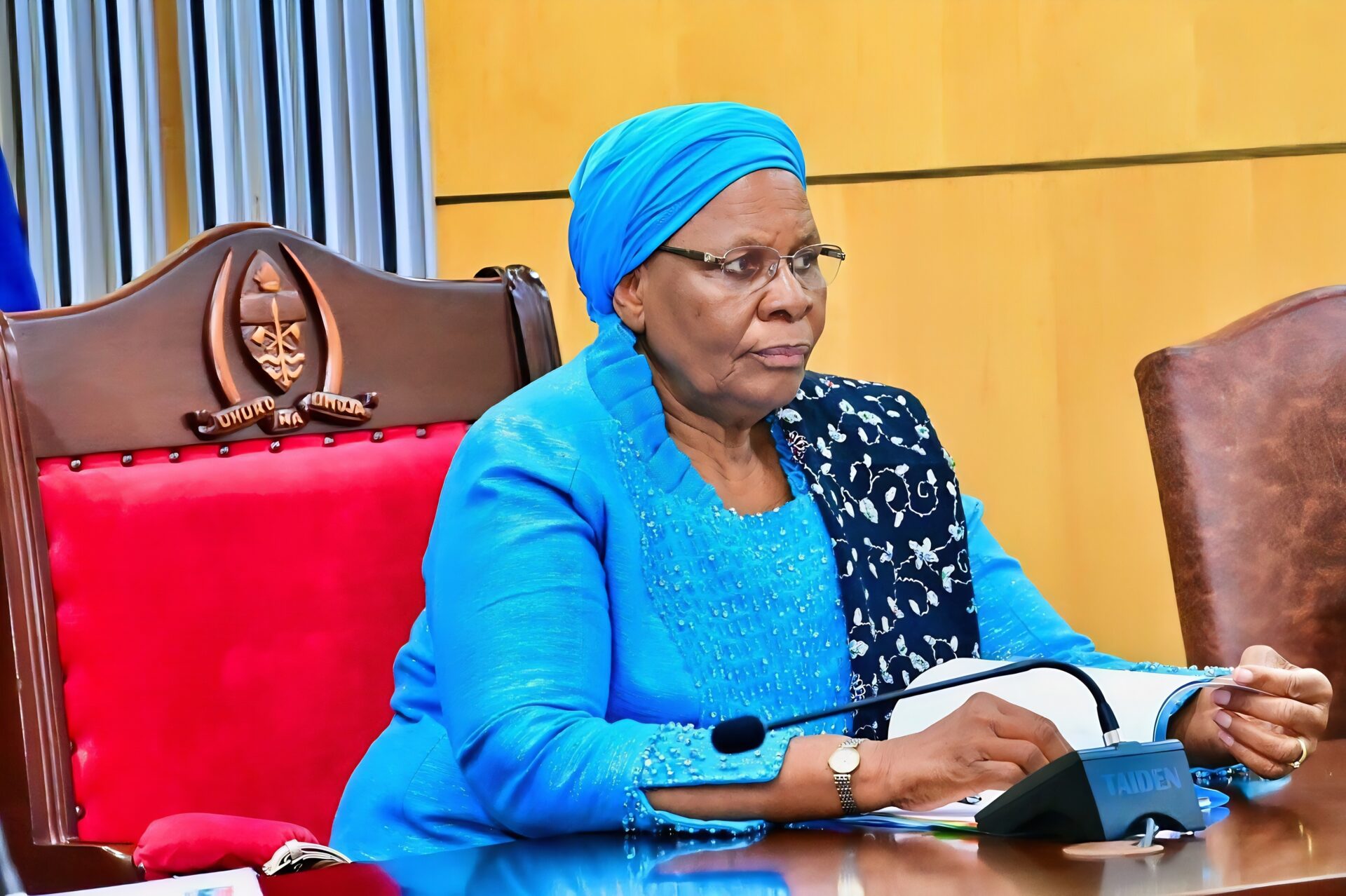
As global demand for protein grows, these two nations stand at a historic crossroads. By combining Tanzania’s abundant resources with Namibia’s processing expertise, they can move from being raw material exporters to controllers of premium food value chains. The question isn’t whether this partnership makes sense — but which entrepreneurs will be first to capitalize on this unprecedented opportunity.
“Two Oceans, One Future: Tanzania and Namibia Forge Blue Economy Alliance”
“Maji ya chumvi yakutanisha” (“Saltwater unites us”), as the old Swahili saying goes — a truth vividly embodied in the maritime partnership now blossoming between Tanzania and Namibia. With Tanzania’s 1,424 km Indian Ocean coastline and Namibia’s 1,572 km Atlantic seaboard, these sister nations are charting a course toward unprecedented blue economy collaboration.
Strategic Maritime Advantages:
Tanzania’s Dar es Salaam Port (handling 17.7 million tonnes annually)
Namibia’s Walvis Bay (Africa’s deepest natural harbour)
Combined EEZ coverage of 1.3 million km² of ocean territory
Three Pillars of Collaboration:
Sustainable Fisheries Management
Joint research on tuna migration patterns between the Atlantic and Indian Oceans
Shared monitoring of illegal fishing through satellite technology
Namibia’s marine conservation expertise meets Tanzania’s community fishing traditions
Port Synergy & Trade Corridors
Developing the “Indian-Atlantic Maritime Highway”:
Dar es Salaam → Beira → Walvis Bay → Europe
Coordinated port modernization to handle Panamax vessels
Shared customs clearance systems to reduce cargo dwell time
Marine Biotechnology & Innovation
Joint ventures in seaweed farming (Tanzania’s Zanzibar + Namibia’s Lüderitz)
Developing aquaculture parks for high-value species
Harnessing Namibia’s green hydrogen potential for port operations
Current Success Stories:
The Tanzania-Namibia Fisheries Observer Programme training 120 specialists annually
Maersk’s new Dar-Walvis Bay feeder service (cutting transit times by 40%)
Zanzibar Seaweed Ltd partnering with a Namibian firm for carrageenan processing
Overcoming Challenges:
Harmonizing regulations through the SADC Marine Governance Framework
Combating piracy with joint coastal surveillance systems
Skills development via the Blue Economy Academy in Tanga
Future Horizons:
The Oshiwambo proverb “Efuta lyaNehale lya pewa pokati” (“The sea’s bounty belongs to all”) guides this partnership. Upcoming initiatives include:Trans-African Marine Research Vessel (jointly operated)
Blue Bond financing mechanism for sustainable projects
Maritime Youth Exchange Programme for future ocean leaders
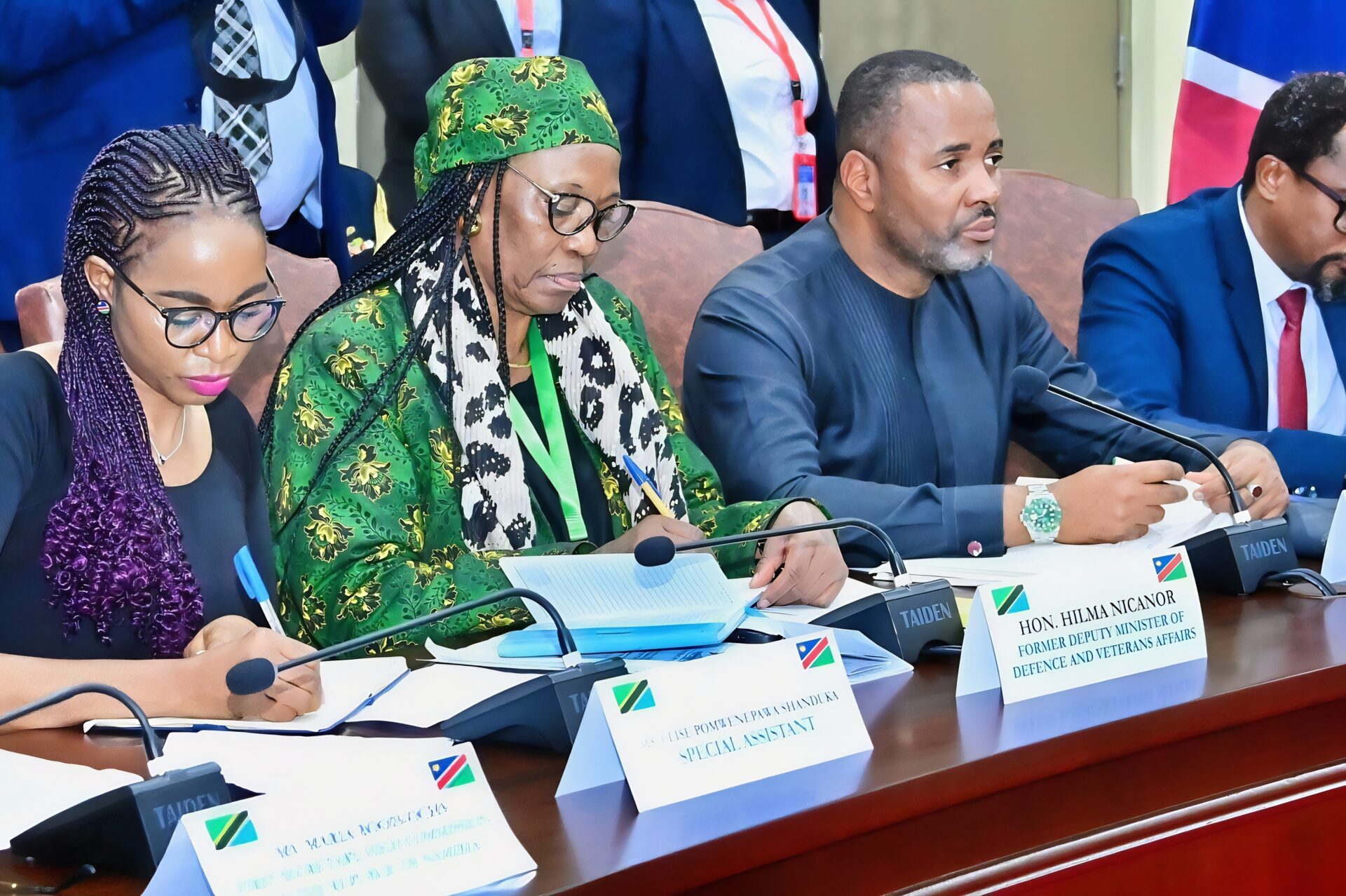
As climate change and overfishing threaten Africa’s waters, this strategic alliance positions Tanzania and Namibia as continental leaders in responsible ocean stewardship. Their partnership proves that when two maritime nations combine forces, they don’t just share resources – they create new currents of prosperity. The tide of opportunity is rising. Will your business set sail with it?
“From Dunes to Shores: Crafting Africa’s Ultimate Tourism Circuit”
“Mgeni njoo, mwenyeji apone” (“Let the visitor come, so the host may benefit”) – this Swahili wisdom captures perfectly the transformative potential of uniting Tanzania and Namibia’s spectacular tourism offerings. By blending Namibia’s surreal desert landscapes with Tanzania’s pristine beaches, these sister nations could create an irresistible pan-African travel experience that redefines continental tourism.
Why This Partnership Makes Perfect Sense
Complementary Natural Wonders
Namibia’s Sossusvlei dunes (some of the world’s tallest)
Tanzania’s Zanzibar archipelago (consistently ranked among Africa’s top beaches)
Combined, they offer the ultimate “Sands & Seas” contrast
Shared Aviation Advantages
Dar es Salaam and Windhoek both serviced by Qatar Airways, Emirates, and KLM
New direct flights being negotiated between Julius Nyerere International and Hosea Kutako airports
Cultural Synergy
Namibia’s German colonial heritage meets Tanzania’s Swahili coastal culture
Joint “Living Cultures” festivals showcasing Himba and Maasai traditions
Game-Changing Joint Tourism Products
Experience Namibia’s Contribution Tanzania’s Contribution Unique Selling Point Desert-to-Island Honeymoon Sossusvlei luxury lodges Zanzibar private villas Ultimate romantic contrast Photography Safari Etosha’s wildlife spectacles Serengeti migrations Two iconic ecosystems in one trip Adventure Seeker Circuit Skeleton Coast shipwrecks Pemba Island diving From desert extremes to ocean depths Overcoming Barriers
Visa Harmonization
Developing a unified East-South Africa visa scheme
Current single-entry visa limitations being addressed
Marketing Muscle
Joint appearances at ITB Berlin and WTM London
Co-branded “Africa’s Greatest Contrasts” campaign
Quality Standards
Cross-training safari guides and hospitality staff
Adopting common eco-tourism certification
Early Success Stories
&Beyond’s new 14-day “Dunes & Delta” tour (fully booked through 2025)
Rovos Air’s luxury rail-and-air packages seeing 40% uptake
Adventure World’s new overland truck route from Swakopmund to Dar
The Road Ahead
The Herero proverb “Omuramba otjiuna otjimuna omundu” (“A dry riverbed still remembers water”) reminds us that tourism flows may fluctuate, but the assets remain. Strategic next steps include:
Digital Integration
Single booking portal for cross-border itineraries
Virtual reality preview centres in key markets
Infrastructure Investment
Upgrading airstrips near border regions
Developing “tourism peace corridors” with neighbouring countries
Community Benefits
Craft cooperatives linking Namibian Himba artisans with Zanzibar’s woodcarvers
Joint cultural preservation funds
A Rising Tide Lifts All Boats
As global travellers increasingly seek diverse, authentic experiences, this partnership positions both nations to capture premium tourism dollars. By offering the world both desert majesty and tropical paradise in one seamless journey, Tanzania and Namibia aren’t just sharing tourists – they’re creating a new African tourism paradigm.The dunes are calling. The waves are whispering. Will the world answer?
“Words That Build Bridges: How Swahili Unites Tanzania and Namibia”
“Lugha moja huleta amani kumi” (“One language brings tenfold peace”) – this Swahili proverb captures the profound cultural diplomacy unfolding as Namibia embraces East Africa’s lingua franca. The growing partnership between Tanzania’s Open University and Namibia’s Triumphant College represents more than linguistic exchange – it’s the cultivation of a shared African identity that transcends geographical boundaries.
Why Swahili Matters in Namibia
Historical Resonance
Many Namibian liberation leaders trained in Tanzania during the struggle for independence
SWAPO cadres often returned with basic Swahili phrases that became embedded in movement culture
Economic Pragmatism
With 200+ million Swahili speakers across Africa, it opens doors to the East African Community market
Tanzanian investors find comfort conducting business in a familiar linguistic environment
Cultural Diplomacy
Namibia’s 2023 decision to introduce Swahili in schools mirrors Tanzania’s post-independence language policy
Creates people-to-people connections beyond government-level relations
The Institutional Framework
Institution Tanzania’s Role Namibia’s Contribution Outcomes Open University of Tanzania Curriculum development Hosting extension programs 120 Namibians enrolled in Swahili courses Triumphant College Namibia Teacher training programs Local context adaptation First Swahili language lab established 2024 University of Dar es Salaam Academic exchanges Research on language acquisition Joint Swahili dictionary project Beyond the Classroom: Living Language
Media Bridges
NBC Radio Namibia’s new “Jambo Namibia” daily Swahili segment
Tanzania Broadcasting Corporation airing Namibian cultural programs with Swahili subtitles
Cultural Fusion
Swakopmund’s annual “Karibu Festival” blending Swahili taarab with Namibian jazz
Windhoek restaurants now offering “mishikaki” (Swahili kebabs) alongside “kapana” (street grilled meat)
Digital Innovation
“Swahili Pro” mobile app co-developed by Dar and Windhoek tech hubs
Virtual language exchange programs pairing Namibian and Tanzanian students
Challenges and Solutions
“Mwenye pupa hadiriki kula tamu” (“The hasty one misses the sweetest fruits”) reminds us that language acquisition requires patience. Current hurdles include:
Dialect Variations
Standardizing teaching materials between Tanzanian standard Swahili and emerging Namibian usage
Resource Limitations
Crowdfunding initiative for Swahili textbooks in Namibian schools
Measuring Impact
Developing bilingual competency frameworks for professional certification
The Ripple Effects
Tourism Enhancement
Namibian safari guides learning Swahili to better serve East African visitors
Tanzanian beach resorts training staff in basic Oshiwambo greetings
Literary Exchange
Swahili translations of Namibian author Joseph Diescho’s works
Tanzania’s Penzi la Damu novels being studied at the University of Namibia
Youth Connectivity
#SwahiliChallenge TikTok trends crossing borders
Pen pal programs between Dar es Salaam and Katutura schools
The Tongue of African Unity
As the Herero say, “Omundu omukurire okuti omurumendu” (“A person grows through communication”). This linguistic bridge – built on the foundation of shared history and looking toward economic integration – represents perhaps the most profound dimension of Tanzania-Namibia relations.
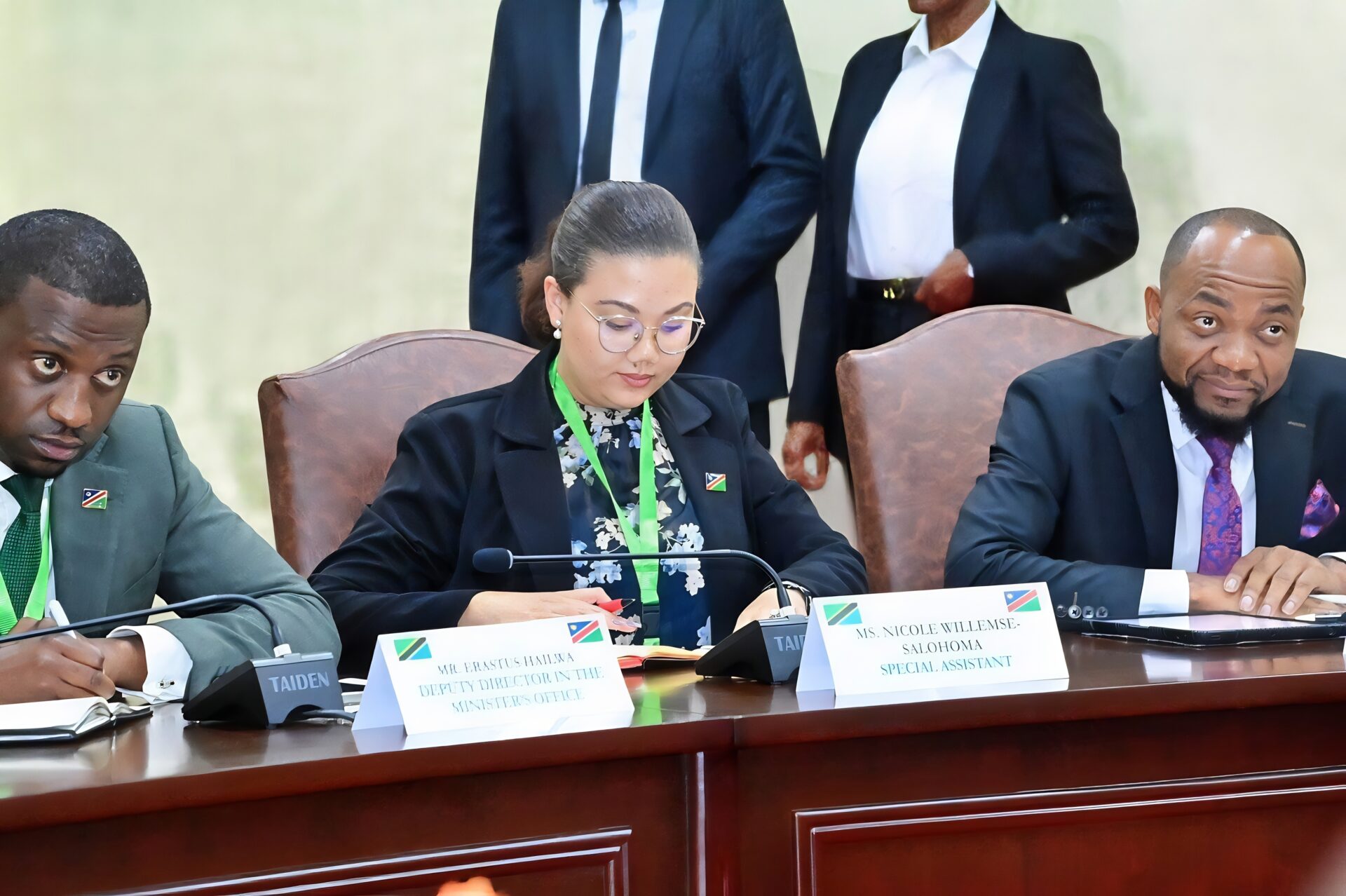
When a Namibian child greets a Tanzanian visitor with “Karibu sana”, and receives “Eewa” (Oshiwambo for “thank you”) in return, we witness the living fabric of Pan-Africanism being woven anew. The question is no longer if Swahili will take root in Namibia, but how deeply its branches will spread across generations to come.
Kwaheri? No – this is just the beginning.
“Planting Seeds of Knowledge: Tanzania-Namibia Educational Exchanges Cultivate Tomorrow’s Leaders”
“Akili ni mali” (“Knowledge is wealth”), as the Swahili proverb reminds us – a truth vividly embodied in the growing academic partnership between Tanzania and Namibia. Through strategic scholarships and institutional collaborations, these nations are investing in the most valuable resource of all: their human capital.
The Foundation of Progress
Historical Precedent
Many Namibian freedom fighters received education in Tanzania during the liberation struggle
Tanzania’s “education for self-reliance” philosophy aligns with Namibia’s Harambee Prosperity Plan
Modern Imperatives
65% of Tanzania’s population under 25 needing skills development
Namibia’s 4th National Development Plan prioritising technical education
Sector-Specific Knowledge Bridges
Renewable Energy Exchange
University of Dar es Salaam’s College of Engineering partnering with Namibia University of Science and Technology (NUST) on:
Solar micro-grid solutions for rural communities
Green hydrogen research (leveraging Namibia’s vast solar resources)
Joint degree program in Renewable Energy Management, launching 2025
Agricultural Innovation Transfer
Sokoine University of Agriculture hosting Namibian students for:
Climate-smart farming techniques
Post-harvest loss reduction technologies
Namibia’s Neudamm Agricultural College sharing expertise on:
Arid-land livestock management
Drought-resistant crop varieties
Current Successful Models
Program Tanzanian Partner Namibian Partner Outcome Nyerere-Nujoma Scholarship Fund Ministry of Education Namibia Students Financial Aid 47 cross-border scholars in 2024 “Energy for All” Initiative Ardhi University Polytechnic of Namibia 3 joint patents filed in solar tech Agripreneur Exchange Nelson Mandela African Inst. University of Namibia 12 agribusiness startups created Overcoming Barriers
The Oshiwambo saying “Omuhinga omunene okwa ti pondje” (“A great farmer works beyond the field”) reminds us that educational success requires looking beyond classrooms:
Credit Recognition
Developing mutual accreditation frameworks for technical courses
Cultural Adjustment
Pre-exchange cultural orientation programs
Alumni mentorship networks
Sustainability
Endowment funds for long-term program viability
Private sector partnerships for graduate employment
The Ripple Effects
Research Collaborations
Joint studies on transboundary water management
Shared climate change adaptation strategies
Industry Linkages
Tanzanian renewable energy firms recruiting Namibian graduates
Namibian agribusinesses establishing Tanzanian outposts
Youth Empowerment
Virtual exchange programs during pandemic restrictions
Inter-university innovation challenges
Harvesting the Future
As the late Mwalimu Nyerere observed, “Education is not a way to escape poverty, it is a way of fighting it.” These Tanzania-Namibia educational exchanges represent more than academic cooperation – they’re incubators for African solutions to African challenges.
When a Namibian solar technician trained in Dar es Salaam electrifies a remote village, or when a Tanzanian agronomist applies desert farming techniques from Windhoek to Shinyanga’s drylands, we witness the true meaning of “ujamaa” (familyhood) in action.
The seeds have been sown. The question is: Which groundbreaking innovation will emerge next from this cross-pollination of minds?
“Elimu haina mwisho” – Education has no end. And neither, it seems, does the potential of this transcontinental knowledge partnership.
“Two Suns Are Better Than One: Tanzania and Namibia Illuminate Africa’s Energy Future”
“Mwangaza wa kumi hauchoki” (“The light of ten never tires”), proclaims a Swahili proverb that perfectly captures the renewable energy synergy blossoming between Tanzania and Namibia. As both nations harness their abundant natural resources to power industrialisation, their cooperation is becoming a beacon for African energy independence.
Complementary Energy Landscapes
Tanzania’s Strengths:
4,800 MW hydropower potential (only 35% utilised)
Vast natural gas reserves (57 trillion cubic feet)
2,800+ hours annual solar irradiation
Namibia’s Advantages:
World’s 2nd highest solar irradiance levels
Pioneering green hydrogen projects (€40 billion investment pipeline)
Advanced wind energy infrastructure along Skeleton Coast
Strategic Cooperation Areas
Solar Energy Synergy
Joint manufacturing of photovoltaic panels using:
Tanzania’s silica deposits (raw material)
Namibia’s solar technology expertise
Shared research on battery storage solutions at:
University of Dar es Salaam Energy Centre
Namibia’s Green Hydrogen Research Institute
Wind Energy Exchange
Tanzania learning from Namibia’s 54MW Lüderitz Wind Farm
Namibia adopting Tanzania’s community micro-grid models
Gas-to-Power Complementarity
Tanzania’s Mnazi Bay gas fuelling Namibian processing plants
Shared infrastructure planning for regional energy grids
Game-Changing Joint Projects
Initiative Tanzanian Role Namibian Contribution Progress Trans-Kalahari Solar Corridor Land provision Technology transfer Feasibility study completed 2024 Blue Ammonia Production Gas supply Hydrogen electrolysis Pilot plant MoU signed Renewable Skills Academy Hosting facility Curriculum development First 120 graduates trained Overcoming Challenges
The Oshiwambo wisdom “Omuramba otjimuna omundu” (“A dry riverbed still remembers water”) reminds us that energy solutions must be resilient:
Intermittency Solutions
Developing hybrid solar-wind-gas systems
Shared smart grid technologies
Financing Models
Blended finance facilities through AfDB
Cross-border power purchase agreements
Skills Development
Exchange programs for engineers
Virtual reality training simulations
Regional Leadership Potential
Creating SADC’s First:
Renewable energy trading platform
Standardised clean energy certification
Pioneering Innovations:
Solar-powered desalination plants
Green hydrogen export hub
Community Impact:
300,000 rural households to gain electricity access by 2027
Women-led renewable energy cooperatives
Lighting the Way Forward
As the Herero say, “Oruuwo orumwe otji ka yandja ombura” (“One fire cannot warm all”), but together, Tanzania and Namibia are kindling an energy revolution. Their partnership proves that Africa’s energy transition isn’t about choosing between gas and renewables – it’s about smart integration of all available resources.
When Tanzanian natural gas powers Namibian hydrogen production, and Namibian solar technology electrifies Tanzanian villages, we witness the birth of a new African energy paradigm – one where cooperation generates more power than competition.
The sun shines brightly on this partnership. Who will step forward to harness its full potential?
“Nguvu za kawaida hazina mwisho” – The forces of nature are limitless. And so too, it seems, is the potential of this energising alliance.
“Smooth Paths Make Swift Journeys”: Tanzania and Namibia Forge New Trade Corridors
“Njia moja haitoshi” (“One road is not enough”), as the Swahili saying goes — a truth that resonates powerfully as Tanzania and Namibia embark on ambitious infrastructure partnerships to connect their economies. With visionary transport projects taking shape, these sister nations are laying the physical foundations for a new era of pan-African trade.
The Infrastructure Imperative
Current Challenges:
40% higher logistics costs compared to global benchmarks
10+ day delays at Dar es Salaam port for Namibian-bound goods
Only 2 direct flights weekly between commercial hubs
Transformation Underway:
Port Synergy Revolution
Dar es Salaam Port Upgrade (€2.1 billion expansion)
New deep-water berths to accommodate Suezmax vessels
Dedicated Namibia trade lane with 72-hour clearance guarantee
Walvis Bay Expansion
New container terminal handling 750,000 TEUs annually
Special economic zone for Tanzanian agri-exports
Air Connectivity Breakthroughs
Air Tanzania adding Windhoek to its regional network (3x weekly)
Proposed “Southern Cross” air freight corridor:
Dar-Zanzibar-Walvis Bay-Cape Town
Joint venture aircraft maintenance hub in Dodoma
Transcontinental Road/Rail Links
Upgrading TAZARA rail to standard gauge (linking to Namibia’s rail network)
New “Copper-Cashew Corridor”:
Connects Namibia’s mining regions to Tanzania’s processing zones
Cuts transit time from 14 days to 5
Game-Changing Projects
Initiative Tanzania’s Role Namibian Contribution Impact SADC Bridge Initiative Construction expertise Steel supply 3 border bridges completed 2025 Blue Highway Protocol Port modernization Shipping lane optimization 30% reduction in maritime costs Digital Corridor Smart border systems Blockchain cargo tracking 48-hour customs clearance achieved Overcoming Obstacles
The Oshiwambo wisdom “Ondjila ihi popiwa, ohai penduki” (“The path isn’t discussed, it’s created”) reminds us that infrastructure demands action:
Financing Solutions
Blended African Development Bank facilities
Diaspora infrastructure bonds
Skills Development
Joint technical training academies for:
Port operations
Railway engineering
Air traffic management
Maintenance Culture
Establishing cross-border asset management protocols
Private sector participation in operations
The Ripple Effects
Trade Acceleration
Projected 300% increase in perishable goods trade
New markets opening for:
Tanzanian tea and coffee
Namibian beef and grapes
Tourism Boost
Seamless “Coast-to-Coast” travel packages
Cruise ship partnerships linking Zanzibar and Swakopmund
Regional Integration
Becoming the preferred gateway for:
Landlocked Zambia/DRC to global markets
SADC trade with East Africa
Building Africa’s Future
As the late Mwalimu Nyerere observed, “Unity will not make us rich, but it can make it difficult for poverty to defeat us.” These infrastructure projects represent more than concrete and steel — they’re the veins and arteries of a new African economic body.

When the first direct Dar-Windhoek flight touches down, when Tanzanian cashews reach European markets via Namibian ports in record time, we’ll witness the fruits of this partnership. The foundations are being laid. Will your business be ready to travel this new Silk Road?
“Maji yaliyotembea, hufuata mwendo” — Water that flows always finds its path. So too shall these infrastructure bonds guide prosperity to both nations’ doorsteps.
“Walking the Path of Progress: Namibia’s Learning Pilgrimage to Tanzania”
“Mwenye kumbukumbu hula mbivu na mbichi” (“He who remembers eats both ripe and unripe fruits”) – this Swahili wisdom frames perfectly Namibia’s strategic decision to send ministerial delegations to Tanzania. By studying both successes and lessons from Tanzania’s developmental journey, Namibia positions itself to harvest knowledge at the perfect moment of readiness.
The Learning Mission Blueprint
Delegation Composition:
Ministers of Industrialisation, Agriculture, and Mining
Technical teams from Namibia Investment Centre
Private sector representatives from:
Namibia Manufacturers Association
Walvis Bay Corridor Group
Key Study Areas:
Tanzania’s Industrialisation Playbook
Special Economic Zones success at Bagamoyo
Local Content Regulations that boosted domestic participation
Tax Incentive Models that attracted $3.2bn manufacturing FDI
Agricultural Transformation
Southern Agricultural Growth Corridor (SAGCOT) cluster farming
Cashew nut processing factories in Mtwara
National Food Reserve Agency’s stabilisation mechanisms
Mining Sector Reforms
Tanzania’s mineral auditing system
Local beneficiation policies for gold and tanzanite
Community development agreements
The Exchange Methodology
Format Tanzanian Host Namibian Focus Duration Policy Workshops Prime Minister’s Office Regulatory framework adaptation 3 days Industrial Site Visits Dongo Kundu SEZ Walvis Bay industrial park plans 5 days Roundtables Tanzania Private Sector Foundation Namibia Chamber of Commerce 2 days Field Studies Morogoro agro-processing hub Northern Namibia implementation 4 days Why This Matters Now
Timely Knowledge Transfer
Tanzania’s 2022 Industrial Competitiveness Report shows 14% manufacturing growth
Namibia’s 5th National Development Plan prioritises industrialisation
Avoiding Reinvention
Learning from Tanzania’s SEZ startup challenges
Adopting tested models for local content enforcement
Creating Pan-African Templates
Developing transferable policy frameworks for SADC
Establishing permanent bilateral technical exchange programmes
Expected Outcomes
Policy Adaptation
Namibia’s revised SEZ Bill (Q1 2025)
New agro-processing subsidies model
Institutional Linkages
Tanzania Investment Centre ↔ Namibia Investment Board
BRELA ↔ Business Intellectual Property Authority
Private Sector Partnerships
Joint ventures in:
Textile manufacturing
Mineral processing equipment
Solar panel production
The Wise Learn from Others’ Harvest
As the Oshiwambo proverb teaches, “Omuprista okwa tunda okuti omurumendu” (“The priest learns to become a man”) – true wisdom comes through humble learning. This mission represents more than fact-finding; it’s the cultivation of institutional memory that will bear fruit for decades.

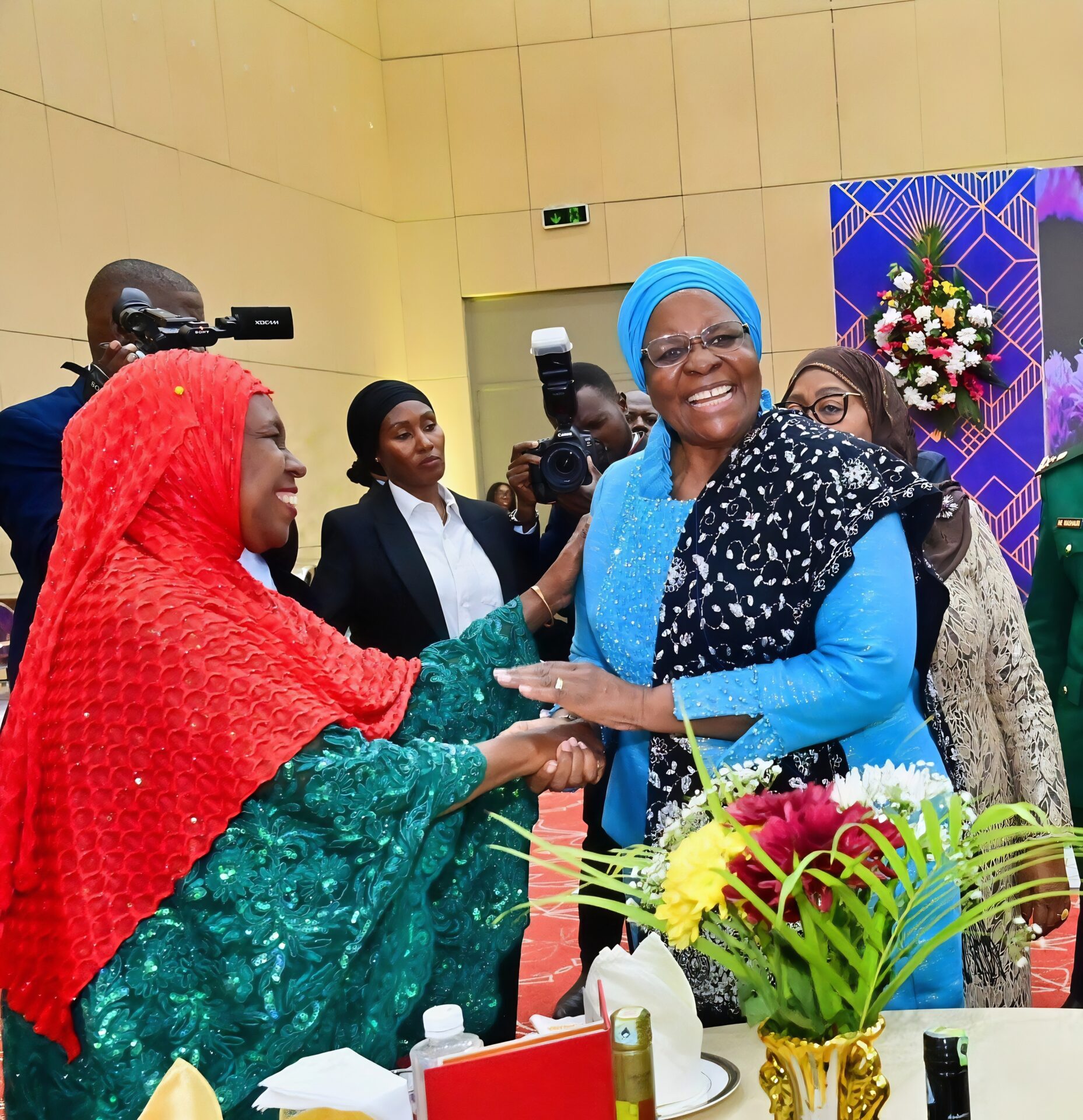
When Namibia’s industrial parks begin humming with activity modelled on Tanzanian successes, when shared policy frameworks attract pan-African investment, we’ll witness the power of South-South cooperation in its purest form.
The delegation’s bags are packed. What golden nuggets of Tanzanian experience will they bring home to nourish Namibia’s development?
“Elimu ni bahari, tukijifunza tuendelee” – Education is an ocean, the more we learn the further we go. This exchange promises to carry both nations to new horizons of shared prosperity.
“From Farm to Fortune: Tanzania and Namibia Cultivate an Agro-Processing Revolution”
“Mkulima haachi kunywa maziwa yake peke yake” (“A farmer should not drink his milk alone”) – this Swahili wisdom captures perfectly the transformative potential of Tanzania-Namibia agro-processing collaboration. By combining Tanzania’s abundant cash crops with Namibia’s premium animal products, these nations are preparing a value-added export banquet that could feed markets from Dubai to Delhi.
The Raw Potential
Tanzania’s Bounty:
300,000+ MT cashews annually (3rd global producer)
60,000 MT coffee exports (2023)
85% of world’s cloves production
Namibia’s Strengths:
EU-certified beef exports worth $390 million
Emerging dairy industry with 120 million litre capacity
World-class meat processing facilities
Strategic Processing Opportunities
The Breakfast Basket Consortium
Tanzanian coffee + Namibian dairy = Premium café latté blends
Joint venture with European speciality food distributors
Spice & Protein Fusion
Zanzibar cloves in Namibian biltong (dried meat) seasoning
Tanzanian turmeric in Namibian beef jerky
Cashew Revolution
Namibia’s Walvis Bay port as export hub for:
Tanzanian cashews processed in Namibian facilities
Value-added products (cashew butter, milk alternatives)
Game-Changing Projects Underway
Initiative Tanzanian Input Namibian Contribution Market Potential “Savanna Spice” Meat Rubs Zanzibar pepper, cardamom Beef by-product utilization $45m Middle East market Lake Tanganyika Fish Curing Nile perch, sardines Namibian salt processing tech African diaspora in Europe Mtwara Cashew Innovation Hub Raw cashew supply German packaging investment Health food stores globally Overcoming Challenges
The Oshiwambo saying “Ondjuhwa tayi inda omanga ihi” (“The chicken doesn’t go while still hatching”) reminds us that success requires patience and proper preparation:
Standards Harmonisation
Aligning Tanzanian TBS with Namibian NSI certifications
Joint Halal certification pipeline
Cold Chain Development
Solar-powered processing units along border areas
Mobile refrigeration units for rural collection
Skills Transfer
Exchange programs between:
Sokoine University & Neudamm Agricultural College
Tanzania Spices Board & Namibia Dairy Board
The Ripple Effects
Job Creation
Projected 25,000 new rural processing jobs by 2027
Women-led cooperatives in both countries
Foreign Exchange
Potential $800m combined annual exports
Reduced raw commodity export dependency
Food Security
Nutritious school feeding products
Affordable protein-spice blends for local markets
Reaping What We Process
As the elders say, “Ukishindwa kula mbegu utalisha wenzako” (“If you fail to plant seeds, you’ll envy your neighbour’s harvest”). This agro-processing partnership represents Tanzania and Namibia’s joint decision to plant the seeds of industrialisation today for tomorrow’s prosperity.

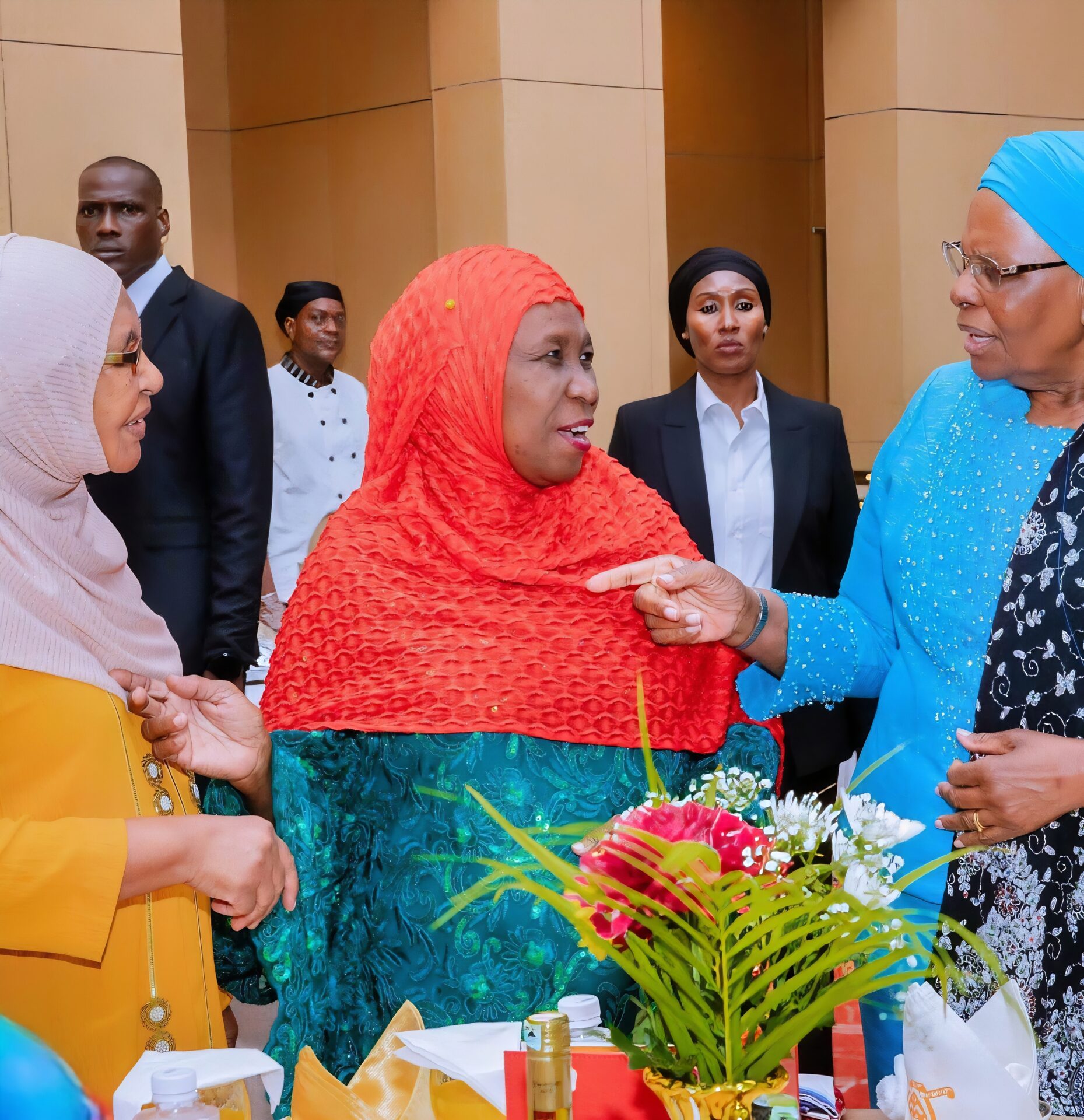
When European supermarkets stock “Savanna Spice” biltong featuring Zanzibar peppers, when Asian consumers enjoy cashew milk processed in Walvis Bay but grown in Mtwara, we’ll witness the birth of a new African agro-industrial paradigm.
The factories await. Which visionary entrepreneur will be first to turn these raw potentials into packaged prosperity?
“Chakula ni uhai, na uhai ni biashara” – Food is life, and life is business. This partnership proves both can flourish together.
“When Rivers Merge: Tanzania and Namibia Forge a Digital Future Together”
“Pesa za kidijitali hazina mipaka” (“Digital money knows no borders”) – this modern Swahili adage captures the transformative potential of Tanzania-Namibia fintech collaboration. As Dar es Salaam’s bustling tech hubs connect with Windhoek’s innovation labs, a revolution in cross-border finance is emerging that could redefine economic inclusion across Southern Africa.
The Digital Landscape
Tanzania’s Tech Boom:
75% mobile money penetration (M-Pesa processed $57bn in 2023)
300+ registered fintech startups
Nala’s global expansion showing local innovation potential
Namibia’s Strengths:
Africa’s 3rd most banked population (85% access)
Emerging blockchain leadership (Lipa Payments success)
Strong regulatory framework for digital assets
Groundbreaking Collaboration Areas
The “Pesa Pap!” Cross-Border System
Instant Tanzania-Namibia mobile money transfers
Swahili-Oshiwambo voice command functionality
Pilot launching Q1 2025 with NMB Bank & Bank Windhoek
Agri-Fintech Innovation
Blockchain platforms for:
Cashew farmers in Mtwara to connect with Walvis Bay exporters
Livestock owners in Otjiwarongo to access Tanzanian veterinary suppliers
Tourism Tech Fusion
Single digital wallet for “Safari Circuit” tourists:
Pay for Serengeti lodges in TZS
Settle Sossusvlei excursions in NAD
All through one QR code
Start-Up Synergies
Sector Tanzanian Strength Namibian Advantage Joint Opportunity Digital Identity National ID coverage (92%) Smart card infrastructure Cross-border KYC solutions Insurtech BimaLab accelerator network Desert agriculture insurers Livestock weather-indexed policies E-commerce Kikuu online marketplace Namibia’s logistics hubs Pan-SADC digital trading platform Overcoming Barriers
The Herero wisdom “Omundu okutja ombwa inaya yandja” (“One doesn’t send a dog to deliver messages”) reminds us that robust systems beat temporary fixes:
Regulatory Alignment
Creating SADC’s first fintech “sandbox” for cross-border testing
Harmonizing Tanzania’s 15% mobile money tax with Namibia’s digital levy policies
Infrastructure Gaps
Shared undersea fiber optic investments
Last-mile connectivity through Tanzania’s “Rural Airband” drones
Digital Literacy
“Jifunze Digital” exchange program for women entrepreneurs
Swahili-Oshiwambo fintech glossaries for rural agents
The Ripple Effects
Financial Inclusion
Projected 12 million new users across both nations
Refugee communities accessing cross-border remittances
Informal Sector Growth
Maasai artisans selling directly to Namibian galleries via digital platforms
Himba women cooperatives accessing Tanzanian microcredit
Regional Leadership
Creating Africa’s first interoperable digital currency corridor
Setting standards for COMESA fintech regulation
The Mobile Phone Becomes a Marketplace
As Tanzanian techpreneurs and Namibian blockchain developers code side-by-side, they’re proving the truth in the saying “Kidole kimoja hakivunji chawa” (“One finger can’t crush a louse”) – true digital transformation requires collective effort.
When a Tanzanian cashew farmer receives instant payment from a Namibian buyer via solar-powered POS, when a Windhoek student pays Dar es Salaam tuition fees with three mobile taps, we’ll witness borders dissolving in the face of financial innovation.
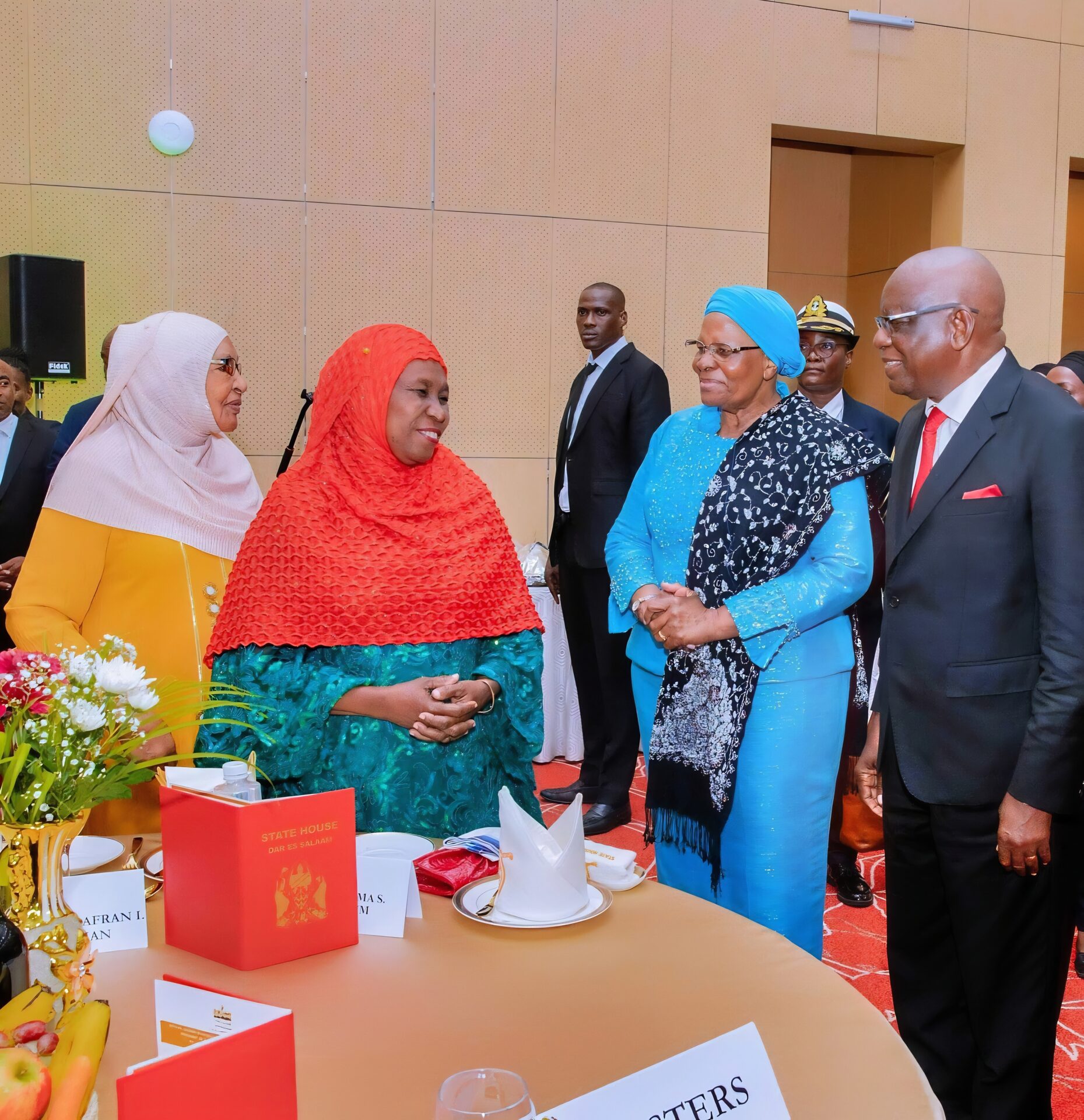
The algorithms are waiting. Which visionary will write the code that connects these digital economies?
“Ubunifu wa kielektroniki ndio mlango wa mustakabali” – Electronic innovation is the doorway to the future. Tanzania and Namibia are turning the knob together.
“Shared Waters, Shared Safeguards: Tanzania and Namibia Forge a United Front for Security”
“Samaki mmoja akioza, huoza wote” (“When one fish rots, it spoils the whole catch”) – this Swahili wisdom encapsulates perfectly why Tanzania and Namibia’s growing defence partnership matters far beyond their borders. As custodians of some of Africa’s most precious ecosystems and maritime routes, these nations are demonstrating how shared security creates shared prosperity.
The Strategic Imperative
Maritime Security Challenges:
Tanzania’s 1,424km Indian Ocean coastline faces piracy and illegal fishing
Namibia’s Benguela Current sustains fisheries worth $1.4bn annually
Both nations impacted by narcotics smuggling routes
Wildlife Protection Urgency:
Tanzania lost 60% of elephants since 2009 (now stabilising)
Namibia’s rhino poaching surged 93% in 2023
Shared interest in combating transnational wildlife crime networks
Pillars of Cooperation
Blue Guardian Initiative
Joint naval patrols along critical shipping lanes
Tanzania’s Dar es Salaam Maritime Centre sharing intelligence with Namibia’s Operation Atlantic Vigilance
Combined training in:
Port security operations
Illegal fishing interdiction
Operation Samba Yetu (“Our Herd”)
Cross-border ranger exchange program
Tanzania’s Selous Game Reserve expertise + Namibia’s rhino monitoring tech
Shared drone surveillance systems along vulnerable borders
Maritime Conservation Corps
Specialised unit protecting:
Tanzania’s Mafia Island marine park
Namibia’s Skeleton Coast sanctuaries
Combating both illegal fishing and wildlife trafficking by sea
Groundbreaking Collaborative Projects
Initiative Tanzanian Assets Namibian Contributions Impact “Eyes Over the Ocean” Zanzibar radar installations Satellite monitoring tech 47 illegal fishing vessels detained Ranger Rapid Response Selous counter-poaching units Rhino horn DNA tracking 30% reduction in cross-border poaching Coastal Intelligence Fusion Bagamoyo naval training base Walvis Bay interception teams Seized $120m narcotics in 2024 Overcoming Challenges
The Oshiwambo saying “Omuramba otjimuna omundu” (“A dry riverbed still remembers water”) reminds us that security requires constant vigilance:
Resource Constraints
Pooling aircraft maintenance capabilities
Joint fundraising for conservation tech
Jurisdictional Complexities
Harmonising maritime laws
Establishing hot pursuit protocols
Community Engagement
“Seafarer Guardians” program for local fishermen
Wildlife protection curriculum in border schools
The Ripple Effects
Economic Protection
Safeguarding $800m annual tourism revenue
Securing 2 million fisheries-related jobs
Regional Stability
Disrupting terror financing from illegal trades
Creating a model for SADC maritime cooperation
Global Leadership
Setting African standards for ocean governance
Influencing CITES policies on wildlife trade
The Shield Grows Stronger
As the elders say, “Ukiona vyaelea, vimeundwa” (“If you see things floating, they’ve been crafted”) – Tanzania and Namibia’s security partnership didn’t emerge by chance, but through deliberate craftsmanship. When a Tanzanian naval officer trains in Walvis Bay, when Namibian rangers bring rhino-tracking tech to the Serengeti, we witness the birth of a new African security paradigm.
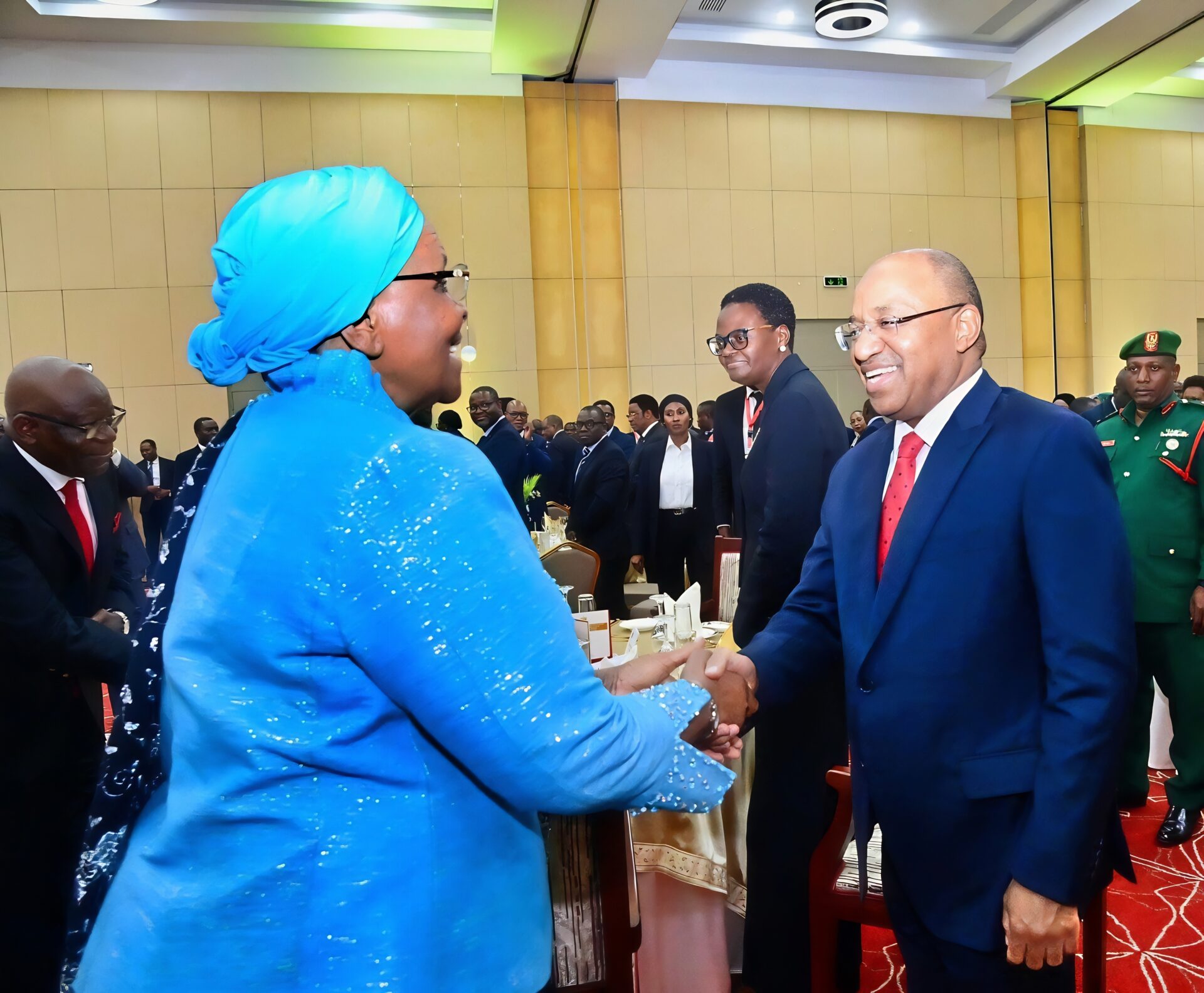
The threats may evolve, but as these nations prove, “Umoja ni nguvu, pekee ni udhaifu” (“Unity is strength, isolation is weakness”). Their united front doesn’t just protect borders – it safeguards futures.
Will this model become Africa’s blueprint for 21st century security cooperation? The waves of the Indian and Atlantic Oceans seem to whisper… “Tayari” (“Ready”).
“Healthy Nations, Strong Continent: Tanzania and Namibia Forge a Health Alliance”
“Mganga hajigangi” (“A healer does not treat themselves”) – this Swahili proverb underscores why Tanzania and Namibia’s growing health partnership represents far more than bureaucratic cooperation. As emerging leaders in tropical medicine and pharmaceutical innovation, these nations are demonstrating how shared knowledge builds epidemic resilience across Africa.
The Health Landscape
Tanzania’s Strengths:
80% childhood vaccination coverage (2023)
Africa’s 2nd largest producer of essential medicines
Pioneering malaria control programs
Namibia’s Advantages:
94% antiretroviral therapy coverage for HIV
State-of-the-art cancer treatment centre
Advanced telemedicine infrastructure
Vital Collaboration Areas
Pandemic Preparedness Network
Joint vaccine production initiative:
Tanzania’s WHO-certified pharmaceutical plants
Namibia’s cold chain logistics expertise
Shared digital surveillance system for:
Cholera outbreaks along shared waterways
Cross-border malaria resistance tracking
Medicine Security Partnership
Local production of 45 essential drugs by 2027:
Tanzania’s raw material sourcing
Namibia’s quality control laboratories
“SADC Pharma” joint venture to reduce 80% medicine imports
Health Worker Exchange
Tanzania’s community health worker model + Namibia’s telemedicine tech
Specialist rotations:
Oncologists to Muhimbili Hospital
Malaria researchers to Windhoek labs
Transformative Projects Underway
Initiative Tanzanian Contribution Namibian Expertise Impact “Mosquito Zero” Campaign Zanzibar elimination tactics Drone spraying technology 60% reduction in border malaria cases ARV Production Hub Manufacturing capacity Packaging innovation 5 million additional doses annually Cancer Research Alliance Traditional medicine database Radiation therapy centre First African-developed oncology drugs Overcoming Challenges
The Oshiwambo wisdom “Omuundu okwa tunda pokati komeva” (“One learns amidst the waves”) reminds us that health solutions emerge through adversity:
Regulatory Harmonization
Creating SADC’s first joint medicine approval pathway
Aligning Tanzania’s TMDA with Namibia’s NPC
Infrastructure Gaps
Solar-powered vaccine refrigerators for remote areas
Mobile diagnostic units along border regions
Knowledge Preservation
Digitizing traditional healing practices
Creating an open-access medical Swahili-Oshiwambo lexicon
The Ripple Effects
Economic Benefits
$300m annual savings from medicine import substitution
15,000 new healthcare jobs by 2028
Regional Security
Preventing disease outbreaks before they cross borders
Creating buffer against foreign vaccine diplomacy
Global Leadership
New models for South-South health cooperation
Influencing WHO Africa’s pharmaceutical strategy
The Best Medicine is Partnership
As Tanzanian pharmacists and Namibian clinicians collaborate, they prove the truth in the saying “Dawa ya moto ni moto” (“The cure for fire is fire”) – sometimes the solution comes from those who’ve faced the same challenges.
When a child in Dodoma receives life-saving medication produced in Windhoek using Tanzanian active ingredients, when Namibian doctors contain an outbreak using Tanzania’s community health blueprint, we witness African solutions to African health challenges.
The prescription is clear: unity in healing. As these nations demonstrate, “Afya ni heri kuliko mali” (“Health is better than wealth”) – especially when safeguarded together.
Will this health alliance become the continent’s model for medical sovereignty? The patients recovering today suggest the answer is “ndiyo” – yes.
“When Drums Speak the Same Language”: Tanzania and Namibia Weave a Tapestry of Cultural Kinship
“Utamaduni ni uhai wa taifa” (“Culture is the lifeblood of a nation”) – this Swahili wisdom beats at the heart of Tanzania and Namibia’s flourishing arts partnership. As Zanzibar’s taarab melodies blend with Windhoek’s jazz rhythms, these nations are composing a new anthem of pan-African creativity that resonates far beyond concert halls.
The Cultural Landscape
Tanzania’s Creative Wealth:
120+ ethnic groups with vibrant traditions
Swahili poetic heritage (Mashairi) dating centuries
Bongo Flava music industry worth $50 million annually
Namibian Artistic Treasures:
Himba ochre artistry recognized by UNESCO
Africa’s first jazz orchestra (Namibian National Symphony)
Thriving indie film scene (2023’s “The White Line” acclaim)
Harmonizing Creative Forces
“Rhythms of the Savanna” Music Initiative
Dar es Salaam’s Singeli meets Namibian Shambo
Collaborative album featuring:
Tanzania’s Diamond Platnumz
Namibia’s Gazza
Tour circuit linking Stone Town Festival and Windhoek Jazz Week
Cinematic Bridge Project
Co-productions blending:
Zanzibar’s historic Stone Town backdrops
Namibia’s surreal desert landscapes
Scriptwriting workshops in Swahili and Oshiwambo
Visual Arts Dialogue
Tingatinga meets Himba: Contemporary art exhibitions
Digital NFT gallery showcasing cross-border collaborations
Signature Collaborative Projects
Initiative Tanzanian Flavour Namibian Spice Cultural Impact “Swahili Coast to Skeleton Coast” Festival Ngoma dance troupes Damara punch rhythms 50,000 attendees annually “Words Without Borders” Literary Exchange Swahili poetry slams Oshiwambo folk tales Bilingual anthology publication Fashion Fusion Showcase Kanga textile designs Herero doll-inspired prints Paris Fashion Week Africa showcase Overcoming Creative Barriers
The Oshiwambo saying “Ondjongo otjiuna otjimuna omundu” (“A story grows when shared”) reminds us that art thrives through exchange:
Language Bridges
Swahili-Oshiwambo phrasebooks for artists
Subtitle partnerships for films
Funding Models
Crowdfunding platform for joint productions
Cultural visa programs for resident artists
Preservation & Innovation
Digitizing ancient oral traditions
Augmented reality heritage installations
The Ripple Effects
Economic Empowerment
Projected $20m creative industry boost
5,000 artisan jobs sustained
Social Cohesion
Youth cultural ambassador programs
Reconciliation through shared performance
Global Soft Power
Co-branded UNESCO heritage nominations
New African aesthetic influencing global trends
The Dance of Unity
As Tanzanian ngoma drummers and Namibian jazz saxophonists find common rhythm, they embody the proverb “Cheza kwa wote, ustawi kwa pamoja” (“Dance together, prosper together”). When a Himba elder’s stories inspire Dar es Salaam street art, when Swahili proverbs feature in Namibian films, culture becomes the ultimate diplomat.

The stage is set. Will you be spectator or performer in this unfolding cultural renaissance?
“Ushirika wa utamaduni ndio misingi ya amani” – Cultural cooperation is the foundation of peace. Tanzania and Namibia aren’t just exchanging art – they’re crafting the soul of a united Africa.
“One Stick Makes a Weak Fence, Many Sticks Make a Strong Kraal”: Tanzania and Namibia Forge Prosperity Through Regional Unity
“Umoja ni nguvu, utengano ni udhaifu” (“Unity is strength, division is weakness”) – this timeless Swahili wisdom echoes through the corridors of SADC headquarters as Tanzania and Namibia champion a new era of regional integration. By strategically leveraging both SADC’s established networks and AfCFTA’s groundbreaking potential, these sister nations are demonstrating how collective action unlocks unprecedented prosperity.
The Strategic Framework
SADC’s Solid Foundation:
16-member bloc with $720 billion combined GDP
Established trade protocols since 1996
Tanzania’s pivotal role as gateway to EAC
AfCFTA’s Transformative Potential:
54 African nations creating a $3.4 trillion market
Namibia’s strategic position as a southern logistics hub
Potential to boost intra-African trade by 52% by 2025
Game-Changing Collaborative Strategies
The “Copper-Cashew Corridor”
Leveraging:
Tanzania’s Dar Port improvements (capacity now 17.7m tonnes)
Namibia’s Walvis Bay efficiency (dwell time reduced to 3 days)
Creating seamless movement of:
DRC copper → Tanzanian smelters → Namibian exports
Mozambican cashews → Tanzanian processing → Namibian packaging
Harmonised “One Stop” Border Posts
Implementing SADC’s Simplified Trade Regime at:
Namanga border (Tanzania-Kenya-Namibia truck routes)
Kasumulu crossing (Malawi-Zambia connections)
72-hour clearance guarantee for SADC-originating goods
AfCFTA Early Harvest Programme
Joint export of value-added products:
Tanzanian tea + Namibian dairy = premium chai latté blends
Namibian beef + Tanzanian spices = ready-to-cook fusion meals
Overcoming Integration Barriers
The Oshiwambo proverb “Ondjila ihi popiwa, ohai penduki” (“The path isn’t discussed, it’s created”) reminds us that action trumps rhetoric in regional integration:
Non-Tariff Barriers
Establishing joint SADC-AU monitoring teams
Digital “Trade Barrier Alert” system for businesses
Infrastructure Gaps
Prioritising the Dar-Walvis Bay Trans-African Highway
Standardising railway gauges along mineral routes
Payment Systems
Pilot project for SADC-wide mobile money interoperability
Promoting Pan-African Payment Settlement System (PAPSS) adoption
Measurable Impacts Emerging
Indicator 2023 Baseline 2025 Projection Growth Driver Tanzania-Namibia trade $28 million $75 million AfCFTA tariff reductions Border clearance times 96 hours 48 hours One Stop Border Posts Regional value chain participation 12% Tanzanian firms 35% Tanzanian firms Industrial cooperation agreements The Ripple Effects
Industrialisation Boost
Namibia’s manufacturing sector projected 8% growth
Tanzania’s agro-processing jobs to increase by 150,000
Consumer Benefits
30% reduction in prices for imported staples
Expanded product choices in supermarkets
Global Competitiveness
Combined export packaging attracting premium markets
African brands displacing imports in key sectors
The Mosaic Principle
As Tanzanian and Namibian trade ministers co-chair the SADC Industrialisation Working Group, they embody the Herero wisdom “Ozondatje zomundu ozo zera” (“A person’s footprints show the way”). Their collaborative approach offers Africa a masterclass in turning regional frameworks from paperwork into prosperity.

When Tanzanian trucks roll seamlessly through Namibian borders bearing “Made in SADC” labels, when Dar es Salaam entrepreneurs access Windhoek markets as easily as their hometowns, we witness the birth of an economic community that honours its liberation-era roots while embracing 21st-century opportunities.
The frameworks exist. The political will is proven. Now, which bold enterprise will be the first to fully ride this wave of pan-African integration?
“Biashara ya Afrika kwa Waafrika” – African trade for Africans. Tanzania and Namibia are turning this aspiration into daily reality, one customs form at a time.
“When You Empower a Woman, You Empower a Nation”: Tanzania and Namibia Forge an Entrepreneurial Revolution
“Mwanamke ni nguzo ya taifa” (“A woman is the pillar of a nation”) – this Swahili proverb rings true as Tanzania and Namibia unlock the vast potential of their women and youth through groundbreaking entrepreneurial partnerships. With 60% of Africa’s population under 25 and women constituting the backbone of informal economies, these nations are crafting an inclusive growth model that could reshape the continent’s economic future.
The Untapped Potential
Tanzania’s Demographic Dividend:
70% population under 30
Women own 39% of MSMEs
Youth unemployment at 13.4% (2023)
Namibia’s Progressive Landscape:
Ranked Africa’s 6th in gender equality
34% women parliamentary representation
58% youth under 24
Transformative Initiatives Taking Root
“Mama Biashara” Cross-Border Incubator
Connects:
Tanzanian women’s agricultural co-ops
Namibian female-led tech startups
Flagship project: Solar-powered cold storage network managed by women’s collectives
Youth Innovation Corridor
Dar es Salaam’s Buni Hub ↔ Windhoek’s FabLab Namibia
Focus sectors:
Agri-tech (Zanzibar seaweed meets Namibian oyster farming)
Renewable energy (pay-as-you-go solar solutions)
“Sauti Yetu” Digital Marketplace
Swahili-Oshiwambo e-commerce platform featuring:
Maasai beadwork + Herero textile fusions
Tanzanian spice blends + Namibian game meat products
Game-Changing Success Stories
Initiative Tanzanian Impact Namibian Innovation Scale Potential SheTrades Windhoek-Dar 5,000 women certified Blockchain supply chains Replicable across SADC Youth Greenpreneurs Fund 280 solar startups launched Hydrogen tech adaptation $20m AfDB funding secured “Vijana Kazi” App 18,000 job matches AI skills assessment Integration with AU passport Overcoming Systemic Barriers
The Oshiwambo wisdom “Omuprista okwa tunda okuti omurumendu” (“The priest learns to become a man”) reminds us that empowerment requires dismantling obstacles:
Access to Finance
Joint guarantee schemes for youth/women-led SMEs
“Venture Capital Without Borders” initiative
Skills Development
Exchange programs between:
Tanzania’s Vocational Education Authority
Namibia’s NTA
Digital nomad visas for startup founders
Market Access
Reserved procurement quotas in government contracts
AfCFTA Women and Youth Protocol advocacy
The Ripple Effects
Economic Transformation
Projected $1.2bn GDP boost by 2030
Formalization of 45% informal women-led businesses
Social Progress
Delayed marriage ages through economic independence
Reduced rural-urban migration pressures
Political Empowerment
Youth entrepreneurship councils advising cabinets
Women’s business collectives influencing trade policy
The Rising Tide Principle
As Tanzanian market women and Namibian tech-savvy youth collaborate, they prove the truth in the saying “Kidole kimoja hakivunji chawa” (“One finger can’t crush a louse”) – real change requires collective action. When a young Tanzanian woman’s agri-tech startup scales using Namibian blockchain solutions, when a Namibian fashion designer revolutionizes modest wear with Tanzanian kitenge, we witness the emergence of Africa’s most dynamic economic force – its empowered women and youth.
The tools are ready. The networks are forming. Will your enterprise join this movement rewriting Africa’s economic story?
“Elimu ya ujasiriamali ni msaada wa maisha” – Entrepreneurship education is lifelong empowerment. Tanzania and Namibia are ensuring this wisdom becomes reality for millions.
“Two Nations, One Earth: Tanzania and Namibia Forge a Green Alliance Against Climate Change”
“Miti ni uhai, uhai ni chuma” (“Trees are life, life is wealth”) – this Tanzanian proverb echoes across the savannas and deserts as these climate-vulnerable nations pioneer African-led solutions to the planetary crisis. With Tanzania’s tropical forests and Namibia’s fragile ecosystems under threat, their collaboration represents a blueprint for South-South climate action.
The Climate Imperative
Tanzania’s Vulnerabilities:
7% annual deforestation rate in key watersheds
80% of population dependent on climate-sensitive agriculture
Zanzibar facing 10 cm sea level rise since 2000
Namibia’s Challenges:
90% of land degraded or desertifying
300+ drought days annually in southern regions
Fish stocks declining by 15% due to ocean warming
Pioneering Collaborative Solutions
The Great Green Wall Initiative
Tanzania’s tree-planting expertise meets Namibia’s drought-resistant saplings
Creating “Carbon Corridors”:
Miombo woodland restoration
Community-managed carbon credits
Renewable Energy Revolution
Hybrid projects combining:
Tanzania’s hydropower potential (4,800MW)
Namibia’s green hydrogen ambitions
Shared micro-grid technology for remote areas
Transboundary Conservation
Linking Tanzania’s Selous-Niassa corridor with Namibia’s Kavango-Zambezi area
Anti-poaching tech-sharing:
Tanzania’s community ranger models
Namibia’s AI-powered tracking
Groundbreaking Climate Projects
Initiative Tanzanian Strength Namibian Innovation Climate Impact “Maji ya Amani” Water Project Rainwater harvesting Fog collection technology 2 million water-secure people Solar Sister Network Women’s energy co-ops Pay-as-you-go systems 500,000 solar systems deployed Blue Carbon Partnership Mangrove restoration Marine permaculture 5 million tonnes CO2 sequestered Overcoming Ecological Challenges
The Oshiwambo wisdom “Omuramba otjiuna otjimuna omundu” (“A dry riverbed still remembers water”) reminds us that nature’s resilience can be restored:
Policy Harmonization
Aligning Tanzania’s National Climate Change Strategy with Namibia’s Green Plan
Joint positions at COP negotiations
Technology Transfer
Tanzania’s solar pump systems adapted for Namibian boreholes
Namibia’s desert agriculture techniques shared in Shinyanga
Climate Finance
Pooled bidding for global climate funds
Africa’s first sovereign green bond partnership
The Ripple Effects
Economic Resilience
300,000 new green jobs by 2030
$2bn saved through disaster prevention
Food Security
Drought-resistant crop varieties
Sustainable fishing agreements
Global Leadership
Model for African COP28 commitments
Influencing UNEP policies
The Seeds of Tomorrow
As Tanzanian foresters and Namibian solar engineers collaborate, they embody the Swahili saying “Asiyefunzwa na mamae, atafunzwa na dunia” (“What one doesn’t learn from their mother, they’ll learn from the world”) – our planet is now the teacher.
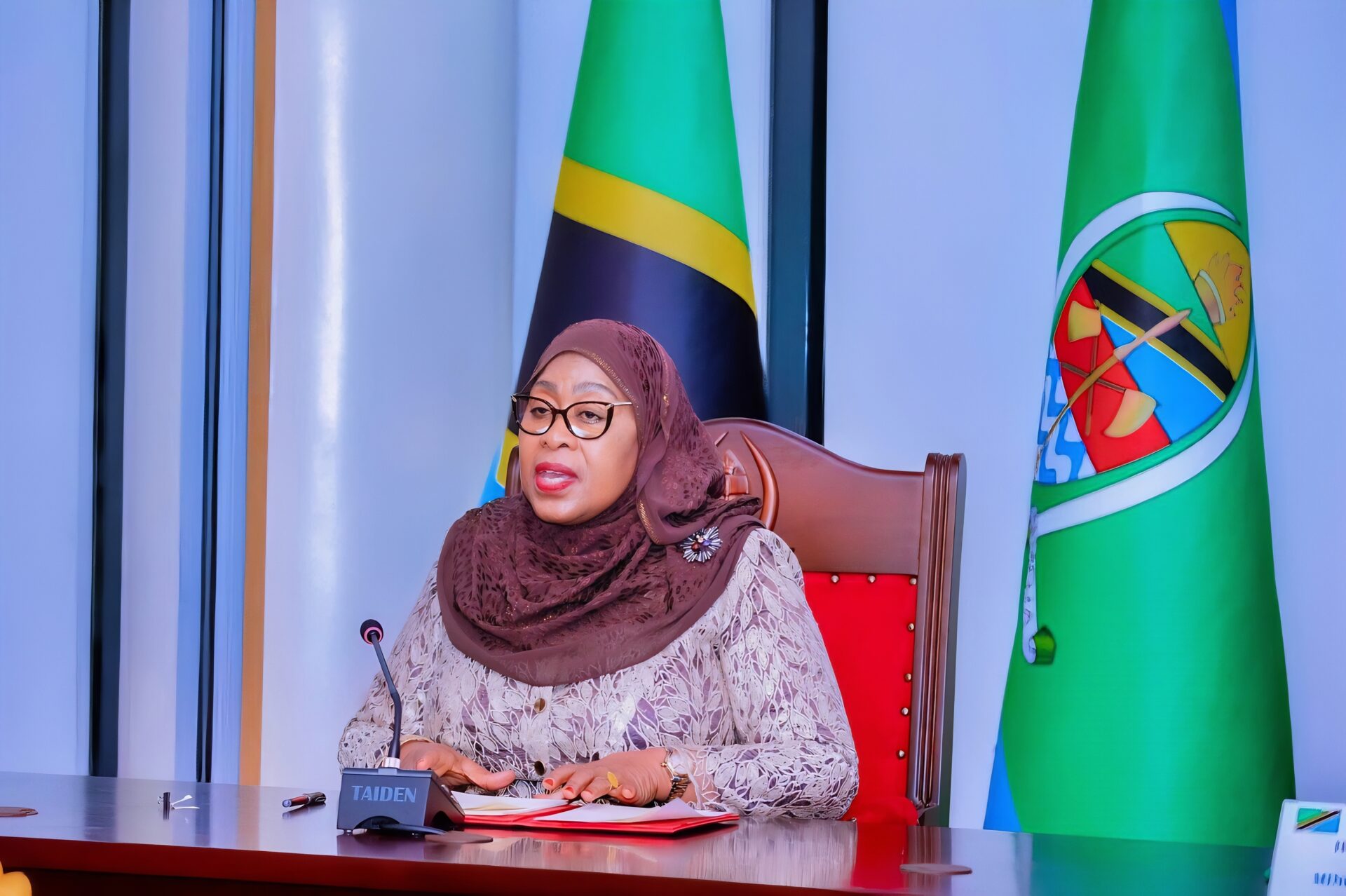
When Zanzibar’s replanted mangroves buffer storms while storing carbon, when Namibia’s green hydrogen powers Tanzanian industries without emissions, we witness climate justice in action.
The crisis is time-critical, but as these nations prove, “Haraka haraka haina baraka” (“Haste haste has no blessing”) – sustainable solutions require thoughtful collaboration.
Will your community join this growing movement of African climate stewards? The future’s green shoots are already breaking ground.
“When Baobabs Stand Together: Tanzania and Namibia Craft a Blueprint for African Unity”
“Umoja wetu ni nguvu yetu” (“Our unity is our strength”) – this timeless Swahili wisdom finds fresh expression as Tanzania and Namibia demonstrate how authentic Pan-Africanism translates into tangible progress. Their partnership, rooted in liberation-era solidarity but laser-focused on 21st-century solutions, offers Africa something rare: a working model of cooperation that delivers results beyond summits and slogans.
The Living Laboratory of African Unity
Three Pillars of Success:
From Political Solidarity to Economic Integration
Evolving beyond freedom fighter camaraderie to:
Shared industrial policies
Harmonised customs procedures
Joint infrastructure bonds
Complementarity as Strategy
Tanzania’s agricultural capacity + Namibia’s logistics expertise
Dar es Salaam’s manufacturing + Windhoek’s green energy
Institutionalising People-Centred Development
Liberation heritage informing modern governance
Veterans mentoring youth entrepreneurs
Concrete Examples Lighting the Way
Initiative Tanzanian Input Namibian Contribution Pan-African Impact SADC Food Reserve Network Grain surplus management Smart storage technology Buffer against continental droughts Africa Renewable Energy Pool Hydropower integration Hydrogen export corridors Model for AU’s Continental Grid Visa-Free Travel Pilot 90-day stays for business Digital nomad recognition Testing AU passport implementation Overcoming Continental Challenges
The Oshiwambo proverb “Ondjamba ihi yandja ombwa” (“An elephant doesn’t send a dog as a messenger”) reminds us that African solutions require African agency:
Breaking Donor Dependence
Pooling sovereign wealth funds
Creating an intra-African credit rating agency
Silencing the Sceptics
Documenting measurable GDP growth from cooperation
Showcasing grassroots benefits
Managing Expectations
Phased implementation of ambitious projects
Transparent progress tracking
The Ripple Effects Across Africa
Economic
Inspiring similar partnerships (e.g., Ghana-Senala corridor)
Increasing leverage in global trade negotiations
Political
Strengthening AU’s Agenda 2063 implementation
Reducing conflict through economic interdependence
Cultural
Swahili becoming continental business lingua franca
New hybrid artistic genres emerging
The African House We Build Together
As Tanzanian engineers and Namibian scientists collaborate on drought solutions, they embody Julius Nyerere’s vision that “Unity will not make us rich, but it can make it difficult for poverty to defeat us.” Their partnership proves that when African nations combine strengths rather than compete over weaknesses, they don’t just survive – they thrive.
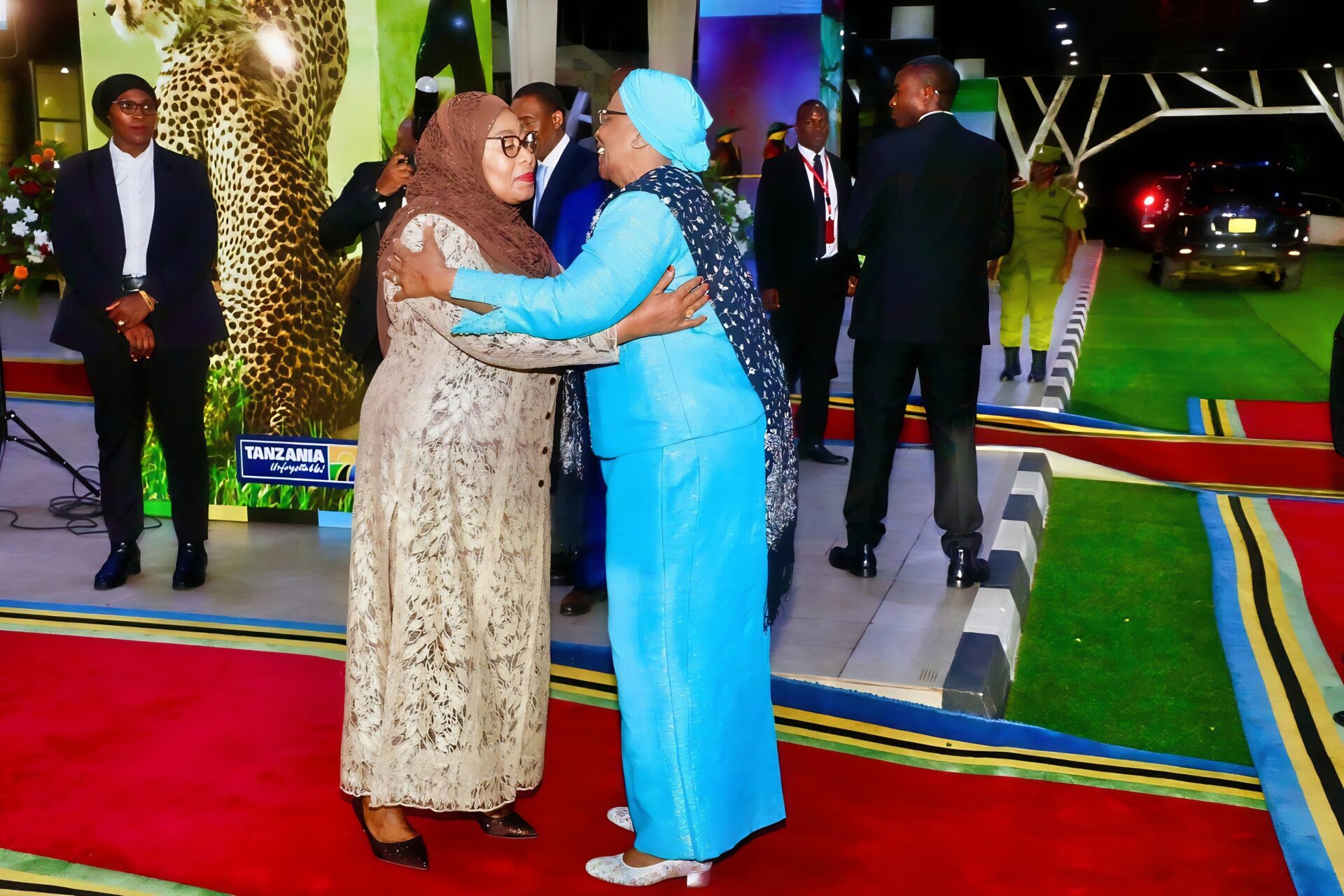
The late Sam Nujoma’s wisdom rings true: “A nation that walks together never gets tired.” As more African countries join this dance of mutual progress, the question isn’t whether Pan-Africanism works – Tanzania and Namibia have shown it does. The real question is: Which nations will be next to take their hands in this unifying movement?
“Bendera yetu ni ya Afrika moja” – Our flag is for one Africa. Through this partnership, the cloth is being woven, one thread of cooperation at a time.
“Smooth Seas Never Made Skilled Sailors”: Navigating Challenges in Tanzania-Namibia Relations
“Mkono mmoja haulei mwana” (“One hand cannot nurse a child”) – this Swahili adage encapsulates perfectly why Tanzania and Namibia must jointly address the inevitable hurdles in their partnership. While critics argue nations should focus inward, history shows that isolation breeds stagnation, whereas strategic cooperation – even amidst challenges – cultivates shared prosperity.
The Obstacles in Plain Sight
1. Bureaucratic Thickets
Reality Check:
Tanzanian customs clearance averages 5 days vs SADC’s 3-day target
Namibia’s investment approvals require 14 separate signatures
Joint Solutions:
Creating “Golden Lane” fast-track for binational projects
Deploying blockchain-based trade documentation
2. Infrastructure Gaps
Hard Numbers:
68% of goods moved by road (average 40% transport cost inflation)
Only 23% SADC rail network utilization due to gauge disparities
Innovation Pipeline:
Joint procurement of standard-gauge locomotives
Public-private partnerships for border warehousing
3. Financing Shortfalls
Stark Reality:
Africa receives only 3% of global FDI
60% of cross-border projects underfunded after launch
Creative Responses:
Establishing Tanzania-Namibia Infrastructure Bond
Leveraging AfCFTA Adjustment Fund mechanisms
Countering the Critics
Argument: “Fix home problems first”
Rebuttal with Evidence:
Tanzania’s SEZ exports to Namibia created 12,000 local jobs in 2023
Namibian beef processing investments reduced Dar es Salaam’s meat prices by 18%
Argument: “Regionalism dilutes sovereignty”
On-the-Ground Truth:
Joint fisheries patrols increased catches for both nations’ artisanal fishermen
Shared vaccine production strengthened health sovereignty during pandemics
Turning Weaknesses into Strengths
The Oshiwambo wisdom “Omuramba otjimuna omundu” (“A dry riverbed still remembers water”) teaches that challenges contain hidden opportunities:
Red Tape → Reform Showcase
Pilot project: 48-hour “BizPass” for approved traders
Becoming SADC’s model for efficient governance
Logistics Gaps → Innovation Hubs
Drone delivery corridors for medical supplies
Solar-powered cold chains for perishables
Funding Shortages → Financial Creativity
Diaspora bonds targeting 2 million expats
Carbon credit swaps for green projects
The Proof in the Partnership
| Challenge | 2023 Status | 2025 Target | Progress Engine |
|---|---|---|---|
| Border Delay Times | 14 hours (Kazungula) | 6 hours | Joint Smart Border Initiative |
| Project Financing | 35% funding gap | 15% gap | Binational Infrastructure Bank |
| Private Participation | 12 firms regularly trading | 50+ firms engaged | Cross-Business Council |
Conclusion: The Long View
As Tanzanian and Namibian trade ministers jointly cut the ribbon on each new bridge or digital platform, they prove the wisdom of the saying “Haba na haba hujaza kibaba” (“Little by little fills the measure”). The obstacles are real, but so is the proven capacity of African nations to overcome them through unity.
To those who counsel retreat, we ask: Did Mwalimu Nujoma and Nyerere abandon the liberation struggle when challenges arose? Their heirs today honor that legacy by persisting – not in spite of difficulties, but precisely because meaningful progress demands we conquer them.
The path is clear. Will we be remembered as the generation that complained about obstacles, or the one that turned them into stepping stones?
“Shida za pamoja ni vizuizi vya pamoja” – Shared challenges are but shared obstacles. Together, Tanzania and Namibia are proving they can be overcome.
“The Path is Made by Walking Together”: Tanzania and Namibia Chart Africa’s Renaissance
“Mwenendo wa kuja ni pamoja, mwenendo wa kwenda ni pamoja” (“The way forward is together, the path ahead is together”) – this Swahili wisdom crystallises the profound opportunity before Tanzania, Namibia, and every citizen invested in Africa’s ascent. As Presidents Samia and Nandi-Ndaitwah reignite the visionary leadership of Nyerere and Nujoma, they’re not merely commemorating history but commissioning a living legacy.
The Invitation to Participate
For Businesses:
Seek the untapped potential in cross-border value chains
Build enterprises that solve continental challenges
Partner beyond comfort zones – cashew processors with beef exporters, fintechs with fishermen
For Educators:
Teach Swahili and Oshiwambo as languages of opportunity
Research solutions for shared challenges like drought-resistant crops
Connect classrooms across the Indian and Atlantic Oceans
For Citizens:
Embrace the mindset that Namibia’s success is Tanzania’s gain
Support local products from partner nations
Demand accountability in regional projects
The Tools for Transformation
| Sector | Immediate Action | Long-Term Vision |
|---|---|---|
| Trade | Use AfCFTA Simplified Certificates | Establish Pan-African Customs Union |
| Energy | Adopt shared renewable standards | Create a continental green energy grid |
| Culture | Host joint arts festivals | Build Africa’s unified creative economy |
The Stakes of Inaction
The Oshiwambo warning “Omuramba ino okutja ombwa inaya yandja” (“A dry riverbed teaches that dogs aren’t messengers”) reminds us:
Without collaboration, climate crises will intensify
Without integration, foreign powers will divide African markets
Without innovation, youth potential will remain untapped
A Call to Your Conscience
When your grandchildren ask:
“What did you do when Africa was rising?”
Will you recount:
The Tanzanian-Namibian joint venture you launched?
The students you connected across borders?
The policy barriers you helped dismantle?
Or will you speak of opportunities watched from the sidelines?
The Choice Before Us
Individual action plants seeds.
Collective action cultivates forests.
As the sun rises over Kilimanjaro and sets over the Namib, these nations prove “Umoja ni kama mkuki – haupasuki” (“Unity is like a spear – unbreakable”). The weapons have changed from liberation rifles to economic blueprints, but the battle for Africa’s dignity continues.
Tanzania Media

- In Mpanda, a Call for Peace Meets a Cry for Justice: The Complex Dialogue Between Police and Citizens - 18 November 2025
- Complete List of New Tanzanian Ministers and Deputy Ministers Announced - 17 November 2025
- A New Chapter for Tanzania: Unity, Progress, and Human Dignity - 15 November 2025
RELATED PUBLICATIONS:
 Celebrating 61 Years of Tanzania’s Union: A Legacy of Resilience and Hope Under Dr. Samia Suluhu Hassan
 Simplifying Tax Processes in Tanzania: Strategies for Compliance and Growth
 Tanzania’s Parliamentary Debate 2025: Addressing Infrastructure, Water Access, and Environmental Challenges
 Modernising Tanzanian Beekeeping: From Log Hives to Langstroth Success
 Tanzania Parliamentary Debates: Overcoming Challenges and Paving the Path to Prosperity
 The Nineteenth Parliament, Second Session: A Milestone for Tanzania and Zanzibar’s Democratic Journey
 Russia-Tanzania Naval Cooperation: How the Smolny Training Ship Boosts Dar es Salaam’s Maritime Security
 Faith and Governance: The Significance of the National Prayer Event for President Samia Suluhu Hassan
 Inspiring Young Minds: A Journey Through Innovation and Safety at the TARURA Pavilion in Singida
 HOW THE EMBASSY OF TANZANIA IN JAPAN CELEBRATED TANZANIA’S 60TH ANNIVERSARY
 BRIDGING OPPORTUNITIES BETWEEN CHINA AND TANZANIA
 VICE PRESIDENTS PRAY FOR THE UNION OF TANGANYIKA AND ZANZIBAR
 Monduli District Shines as a Model of Participatory Governance Ahead of 2025 Polls
 CELEBRATING 60 YEARS OF TANZANIAN UNION: A TESTAMENT TO UNITY AND PROGRESS
 Tanzania’s Women’s Development Fund: A Catalyst for Economic Empowerment and Growth
 Leadership in the Modern Era: The Principles of President Dr. Samia Suluhu Hassan
 Bunge la Tanzania Session Highlights: Bridging Gaps in Infrastructure, Education, and Healthcare
 Public Engagement at Zanzibar Health Week: Turning Curiosity into Action
 A New Chapter for Tanzania: Unity, Progress, and Human Dignity
 THE FOOD AND CULTURE OF TANZANIA, TANZANIA’S RICH FOOD HERITAGE
 The revitalisation of the TAZARA Railway: A New Era of Cooperation Between Tanzania, China, and Zambia
 Strengthening Ties: President Samia Suluhu Hassan’s Strategic Engagement with Chinese Investors
 Mwanza Hosts British Ambassador for Diplomatic Meeting and Regional Development Talks
 Arusha’s Progress: Infrastructure and Democracy in Action